Tiered Loyalty Programs Drive Fresh Patterns in British Bettors' Repeat Play
Freya Meier · Jun 25, 2026
Tiered Loyalty Programs Drive Fresh Patterns in British Bettors' Repeat Play
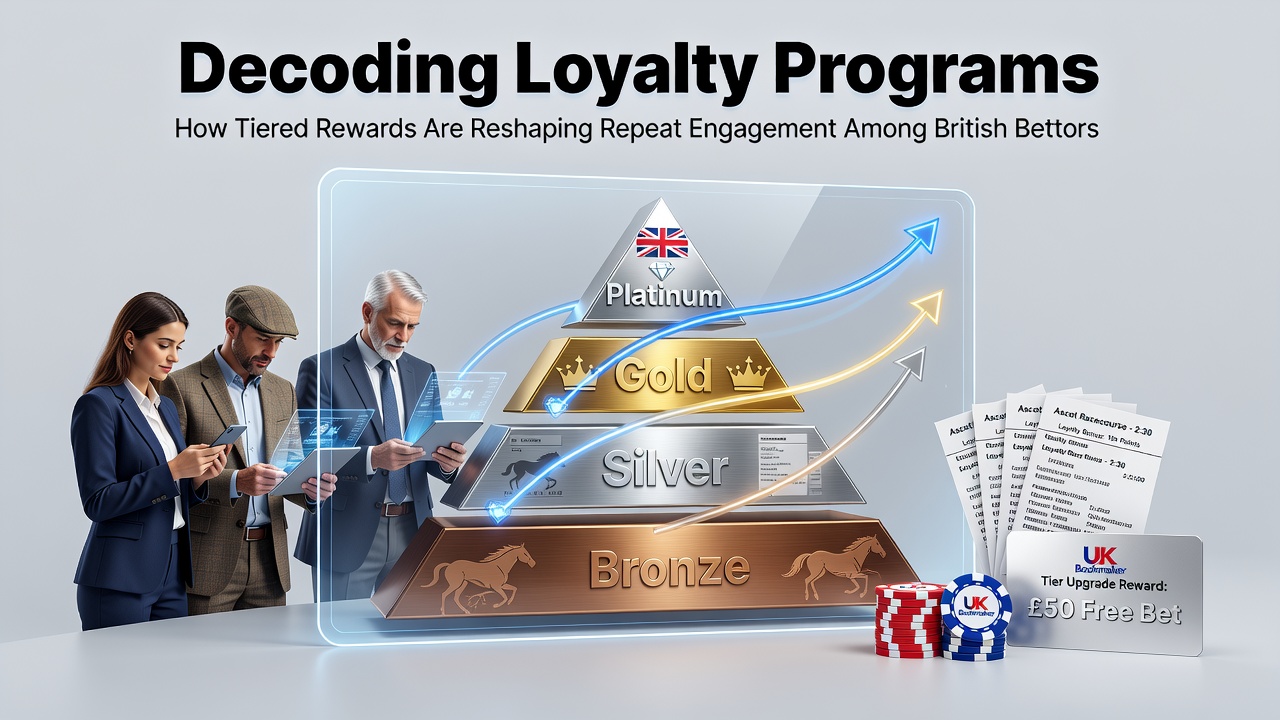
British betting platforms have rolled out tiered loyalty structures that assign customers to levels such as entry, intermediate, and premium based on wagering volume, and these systems grant escalating perks including boosted odds, exclusive cashback rates, and priority event access as participants climb higher. Observers note that operators track activity through points accumulated on bets placed across sports and casino products, with automatic upgrades occurring once thresholds are met, and this setup encourages sustained participation because each tier unlocks benefits that compound over time.
Mechanics Behind Tier Progression and Reward Allocation
Points systems calculate eligibility through a combination of total stakes, frequency of deposits, and sometimes game variety, while operators reset or carry over balances at the start of each calendar period to maintain momentum. Data from industry analyses show that lower tiers often deliver standard promotions, yet mid-level access adds features like faster withdrawal processing and personalized match offers, and top tiers introduce concierge-style support along with higher cashback percentages that can reach double digits on net losses. Researchers at academic institutions have documented how these layered incentives align spending patterns with platform goals, since the promise of future upgrades keeps users returning even during quieter periods.
Engagement Shifts Observed Across UK Platforms in Mid-2026
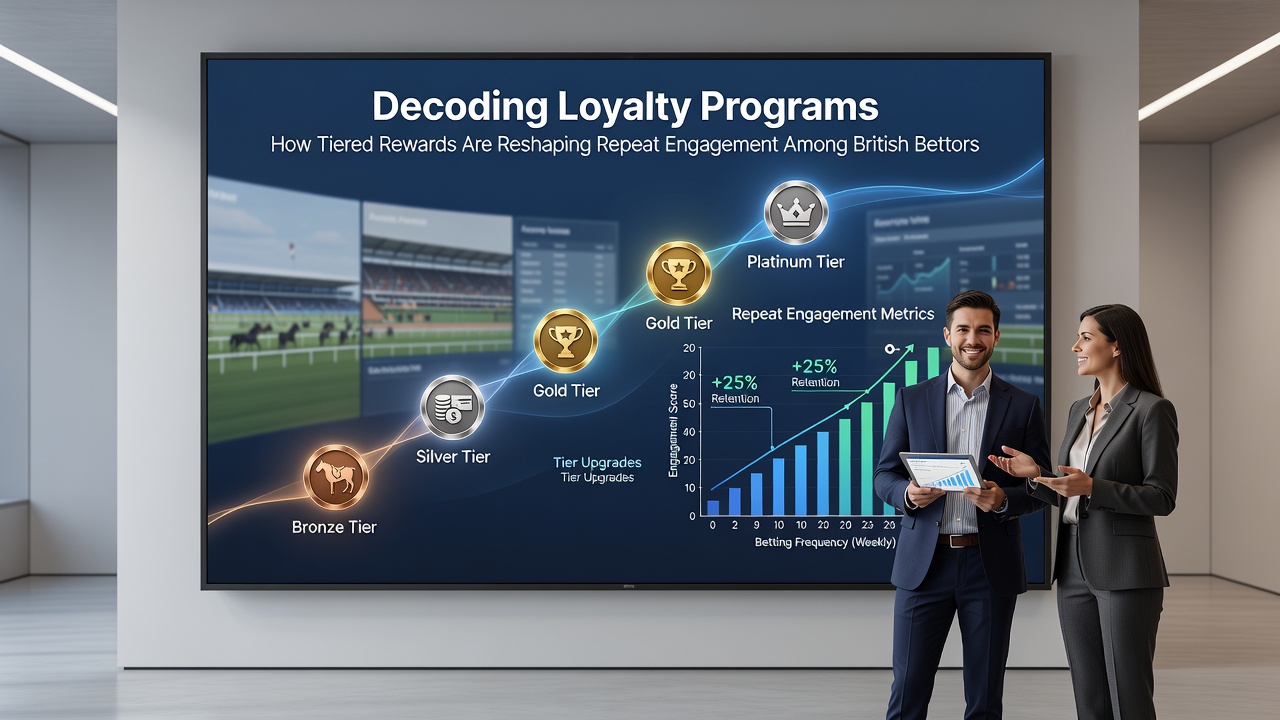
Figures compiled through June 2026 reveal increased session lengths among customers enrolled in multi-tier schemes compared with non-participants, and analysts attribute part of this rise to the visibility of progress bars that display remaining points needed for the next reward bracket. Operators report that silver-tier members wager more consistently month to month because they receive targeted reload bonuses unavailable at entry level, whereas gold participants gain early access to high-profile fixtures that further lock in their activity. A report published by the American Gaming Association highlights similar tier-driven retention patterns in regulated markets, noting that structured rewards reduce churn when benefits scale visibly with commitment.
One study released by Canadian researchers at the Responsible Gambling Council examined loyalty frameworks across multiple jurisdictions and found that participants advanced through tiers at predictable intervals when clear milestones were communicated, which in turn correlated with steadier deposit behaviour over six-month windows. British operators have adapted these models by integrating real-time notifications that remind users of upcoming benefits, and this approach appears to sustain interest across both desktop and mobile interfaces throughout the first half of 2026.
Comparative Performance Data and Platform Adaptations
Platform operators differentiate their offerings by adjusting point-earning rates on specific sports or slot categories, and this flexibility allows them to steer volume toward less popular markets while still rewarding overall activity. Evidence gathered from aggregated user data indicates that customers who reach intermediate tiers within the first quarter maintain accounts longer than those who stay at entry level, and the gap widens further when premium perks include birthday bonuses or event tickets. Those who have examined retention metrics across several operators note that tiered structures create natural checkpoints that prompt users to increase activity just enough to secure the next set of advantages.
What's notable is how these programs interact with broader market conditions in 2026, where seasonal events such as summer football tours and tennis majors provide additional opportunities for point accumulation. Operators adjust tier thresholds seasonally to match expected betting volumes, ensuring that customers feel progress remains achievable even when overall market activity fluctuates. Industry observers have tracked how such calibration maintains engagement curves that rise steadily rather than spike and drop after major tournaments conclude.
Regulatory Context and Industry Responses
Across Europe, oversight bodies require clear disclosure of how points convert into rewards and how tiers are calculated, prompting British platforms to publish detailed terms that outline expiry rules and qualifying criteria. These transparency measures have led operators to simplify interfaces so that customers can view their current standing and projected benefits without navigating multiple screens. Data from cross-border comparisons suggest that markets with explicit tier explanations experience higher participation rates in loyalty schemes, because users understand exactly what actions move them forward.
Operators continue to refine algorithms that personalise tier advancement paths, incorporating factors such as preferred bet types and average stake sizes to keep rewards relevant. This customisation supports repeat visits because customers receive offers aligned with their established habits rather than generic promotions that may not resonate. Research indicates that tailored tier benefits correlate with elevated lifetime value metrics across customer segments, reinforcing the operational logic behind maintaining multiple reward layers.
Conclusion
Tiered loyalty programs have become a central mechanism for sustaining engagement among British bettors by linking tangible benefits to consistent platform use, and the structure shows measurable effects on session frequency and deposit regularity through the first half of 2026. Continued refinement of these systems, guided by regulatory expectations and performance data, suggests they will remain a key feature of the betting landscape as operators seek stable customer relationships amid evolving market conditions.