Payment Habits Unveil Patterns in Digital Casino Bonus Hunting
Dana Braun · Jul 26, 2026
Payment Habits Unveil Patterns in Digital Casino Bonus Hunting
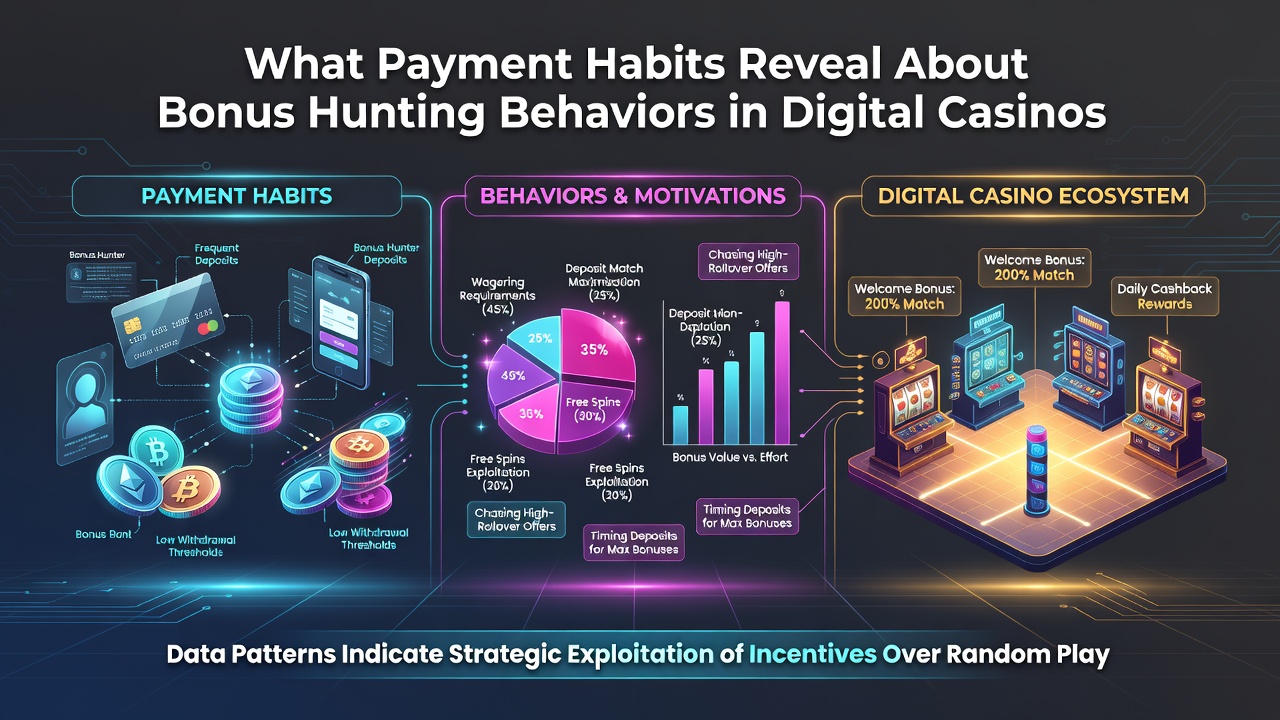
Payment data from online casinos continues to highlight distinct behaviors among players who focus on bonus offers, with transaction logs revealing repeated cycles of small deposits timed to promotional windows. Observers note that these patterns emerge across multiple platforms, where individuals often select payment methods that support instant processing to maximize the window for meeting wagering requirements. Research from the American Gaming Association indicates that bonus-related activity accounts for a measurable share of total deposits in regulated markets, though exact proportions vary by region and operator type.
Deposit Frequency and Amount Trends
Studies tracking player accounts show that bonus hunters tend to make deposits in amounts that align closely with minimum thresholds for specific promotions, a tactic that allows them to claim rewards without committing larger sums upfront. Data compiled through 2026 demonstrates that such users frequently execute between three and five deposits per week during active bonus periods, compared with less frequent activity from recreational players. These habits surface most clearly in logs that capture both the timing and the exact values transferred, often clustering around weekends or evenings when new offers launch.
Preferred Payment Methods and Processing Speeds
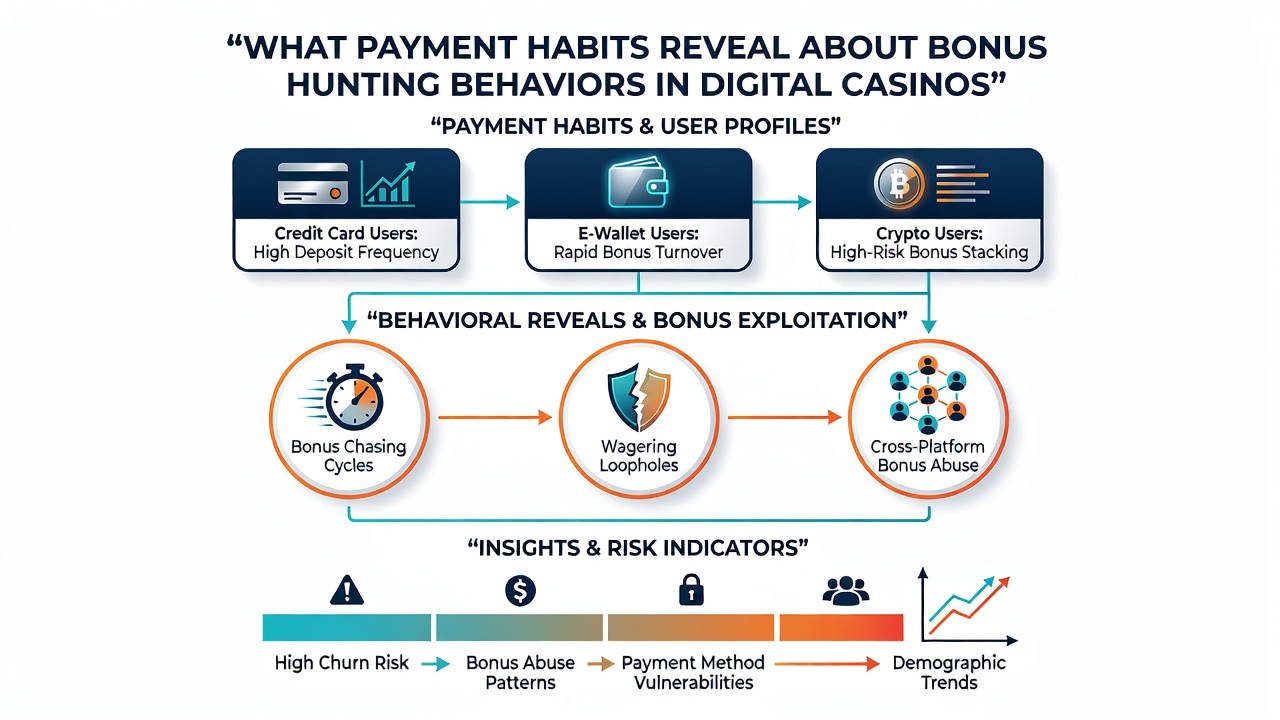
E-wallets and certain prepaid options appear more often in accounts linked to bonus hunting because they enable faster movement of funds in both directions. Reports from the Nevada Gaming Control Board note that transactions completed via these channels show higher rates of reversal within 24 hours, a marker that distinguishes promotional play from standard wagering. Credit card usage, by contrast, registers lower in these datasets, largely due to longer settlement times that can interfere with the tight schedules required to clear bonus terms. One analysis of transaction records from mid-2026 found that accounts employing multiple e-wallet providers displayed elevated volumes of deposit-withdrawal pairs during promotional events.
What's interesting is how these preferences shift when operators introduce new verification steps, prompting some players to migrate toward methods that bypass additional checks. Figures released by Canadian regulatory bodies reveal similar adjustments in payment selection following policy updates in early 2026, with activity migrating toward processors that maintain consistent approval rates.
Withdrawal Timing and Account Cycling
Withdrawal data offers another lens into these behaviors, with records indicating that many bonus-focused accounts request payouts shortly after meeting minimum playthrough conditions. This timing contrasts with broader player bases, where withdrawals tend to occur after longer play sessions or accumulated wins. Observers tracking July 2026 activity across several platforms identified clusters of withdrawals that coincided precisely with the expiration of bonus validity periods, suggesting coordinated management of multiple accounts to extract value before restrictions reset.
Researchers have also documented instances where players open secondary profiles to test different payment routes, a practice that surfaces in aggregated datasets as duplicate IP addresses paired with varying deposit methods. Such patterns become visible when operators share anonymized data with academic teams studying gambling mechanics, though individual operators rarely release raw figures publicly.
Regional Regulatory Observations
Authorities in Australia have compiled reports showing that payment habit analysis helps identify accounts likely engaged in bonus optimization, particularly when combined with deposit frequency metrics. These findings align with data from European markets outside the UK, where similar transaction monitoring has informed updates to responsible gambling tools. Industry groups note that clearer visibility into these flows supports efforts to distinguish promotional activity from other forms of play without restricting legitimate users.
Take one dataset reviewed by university researchers in 2026 that correlated e-wallet usage spikes with the release of no-deposit bonuses, demonstrating how payment infrastructure itself shapes player strategies. The same study highlighted that accounts exhibiting rapid fund movement often maintained lower average balances, a characteristic that stands out against profiles with steadier, larger deposits over time.
Conclusion
Transaction records across digital casinos continue to provide measurable indicators of bonus hunting activity through patterns in deposit size, frequency, method choice, and withdrawal timing. As payment technologies evolve and regulatory frameworks adapt in various jurisdictions, these data points offer operators and researchers consistent tools for tracking behavioral trends without relying on subjective assessments. The insights drawn from such analysis remain grounded in observable figures rather than individual intent, supporting ongoing examination of how promotional structures interact with player payment decisions.