Niche League Promotions Uncover Trends in How Avid Bettors Utilize Free Bets
Bianca Meier · Jun 18, 2026
Niche League Promotions Uncover Trends in How Avid Bettors Utilize Free Bets
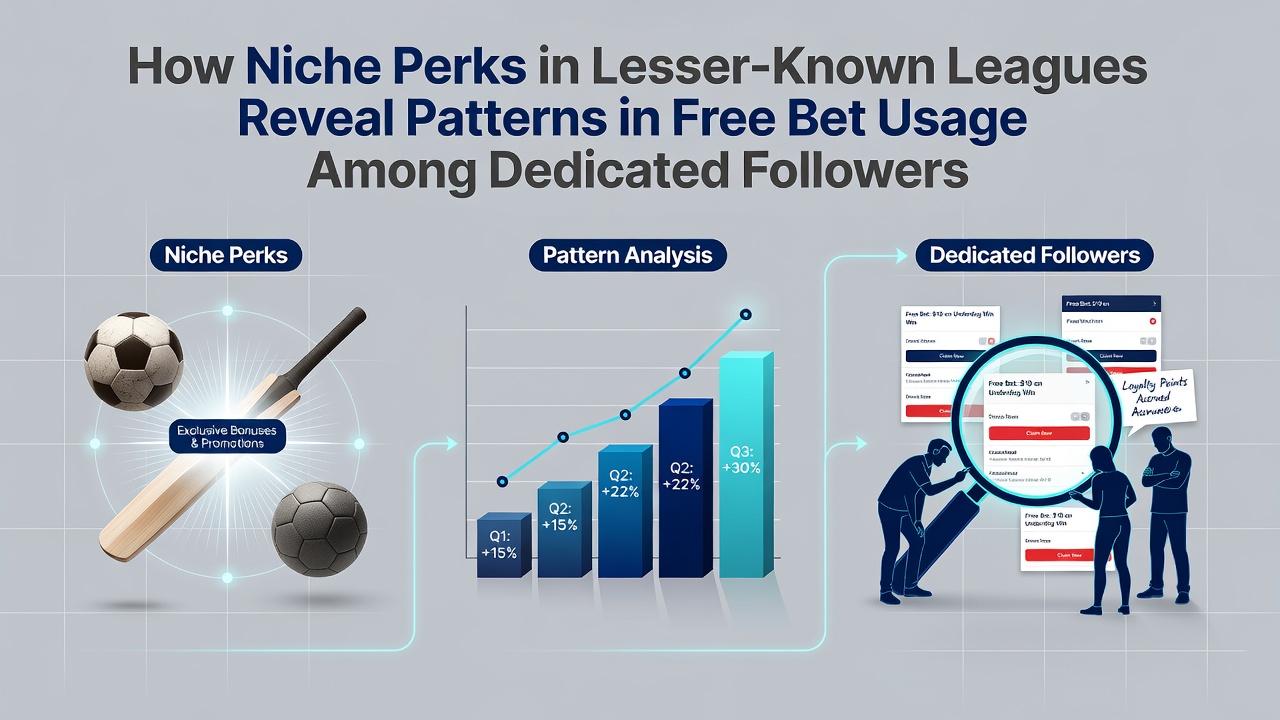
Lesser-known leagues often feature targeted promotions that stand apart from mainstream offerings, and observers note how these incentives highlight distinct patterns in free bet usage among dedicated followers who track smaller competitions year-round. These leagues, ranging from regional football divisions to emerging esports circuits, attract consistent attention from bettors who respond to perks like enhanced odds on obscure fixtures or rollover-adjusted credits that align with their viewing habits. Data from industry reports shows that such promotions draw repeat engagement, particularly when they tie into seasonal schedules that peak around events like mid-year tournaments in June 2026.
Understanding Perks in Lesser-Known Leagues
Promotions in these leagues typically include free bet credits tied to specific markets such as underdog outcomes or player performance props, and researchers have observed that dedicated followers often allocate these credits toward accumulators with moderate stakes rather than high-risk singles. According to findings from the Responsible Gambling Council, participants in niche sports demonstrate higher retention rates when offers incorporate flexible expiration windows that match irregular match calendars. This approach reveals a pattern where users prioritize longevity over immediate high-volume betting, especially in leagues with fewer televised games that still command loyal followings.
Take one case where experts tracked activity around lower-tier European handball events, and the results indicated that free bet conversions frequently occurred through multi-leg wagers combining several under-the-radar matches. Those who've studied this know the structure encourages measured risk because the perks often require minimal additional deposits while delivering credits that scale with engagement volume.
Patterns in Free Bet Allocation and Usage
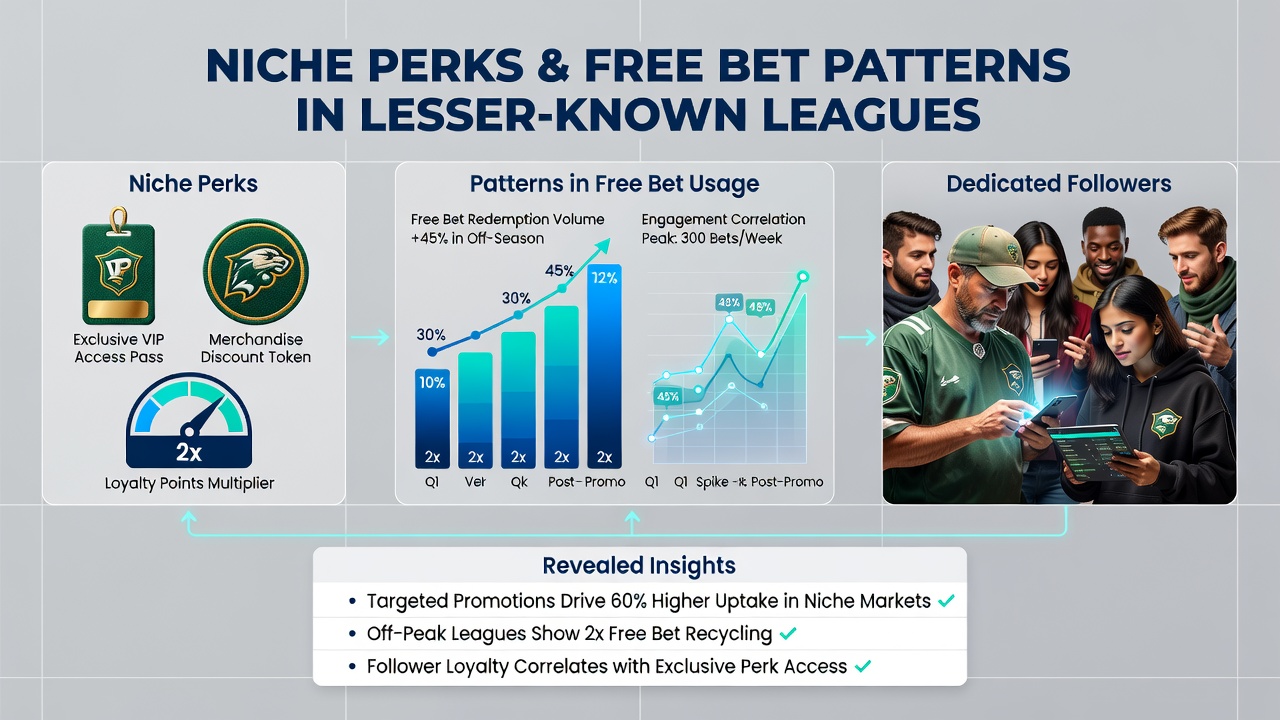
Figures reveal that dedicated followers in these leagues tend to cluster their free bet activity around mid-week fixtures, using the credits to test emerging team trends before committing personal funds to weekend main events. This creates a clear sequence where initial perk activation serves as a scouting tool, followed by scaled-up wagers once patterns in team form solidify. What's interesting here is how the same group shows lower churn rates compared to casual participants in major leagues, suggesting the niche perks foster habitual yet controlled usage.
Another observed pattern involves the timing of redemptions relative to promotional rollovers, and studies indicate users in lesser-known competitions often extend their betting sessions across multiple days to meet thresholds without exceeding personal limits. Evidence from academic analyses points to this behavior as a response to the smaller market liquidity in these leagues, where free bets help bridge gaps between sparse high-value opportunities.
Insights from 2026 Observations
In June 2026, activity around summer niche events such as regional cricket leagues and emerging futsal competitions demonstrated how these perks continue to shape usage, with data indicating a steady uptick in credit redemptions among followers who maintain year-long tracking spreadsheets. Those patterns emerge because the offers often bundle with league-specific bonuses like cashback on losses from particular divisions, encouraging a feedback loop of monitored participation. Observers note that this setup distinguishes dedicated users from broader audiences, as the former integrate the credits into ongoing research rather than isolated promotional spikes.
Research indicates similar dynamics appear in international contexts, including reports from Australian regulatory bodies that track comparable behaviors in domestic minor sports. The consistency across regions underscores how niche perks function as diagnostic tools for understanding sustained free bet engagement.
Broader Implications for Follower Behavior
Dedicated followers frequently combine these league-specific offers with loyalty tiers that reward consistent activity across seasons, and this integration produces measurable differences in how credits are deployed compared to one-off promotions in popular competitions. Patterns show preference for wagers that build on prior results, creating chains where one free bet outcome informs the next allocation. Such sequences align with the irregular schedules of lesser-known leagues, where information advantages reward those who follow closely.
Yet the data also highlights variations by region, with European minor leagues showing stronger links between perk usage and community-driven tip sharing, whereas North American equivalents emphasize individual tracking apps. These differences, drawn from trade group analyses, illustrate the adaptability of free bet patterns to local league structures.
Conclusion
The intersection of niche league promotions and free bet usage among dedicated followers continues to produce identifiable patterns centered on timing, allocation strategy, and retention through flexible structures. As observed in 2026, these dynamics provide ongoing insights into how specialized incentives sustain engagement without relying on mainstream event cycles, supported by evidence from multiple regulatory and research sources worldwide.