Mobile Betting Loyalty Programs Redefine Access to Repeat Incentives in Britain
Rosa Foster · Jul 19, 2026
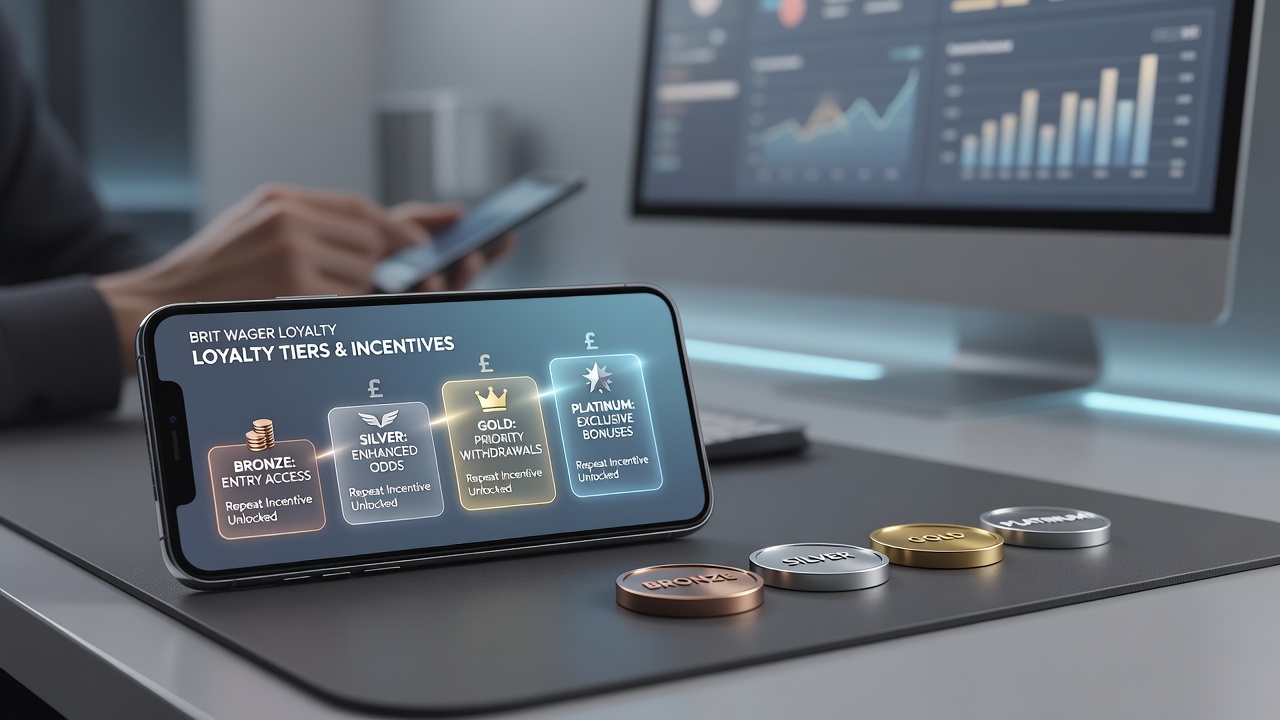
Mobile Betting Loyalty Programs Redefine Access to Repeat Incentives in Britain
British participants have seen mobile wagering apps introduce structured loyalty tiers that adjust how repeat incentives become available over time and data from industry sources shows these systems track activity levels to unlock different reward categories. Users progress through tiers by accumulating points from wagers placed on sports events or casino games and higher levels often grant access to enhanced cashback rates or exclusive promotional offers that lower tiers do not receive. This approach has expanded since mobile platforms gained prominence with many operators reporting increased engagement from participants who maintain consistent activity across multiple months.
Mechanics Behind Tier Progression
Operators calculate tier status based on metrics such as total stakes wagered and frequency of logins while some programs reset standings annually or quarterly to encourage ongoing participation. British users notice that entry-level tiers provide basic reload bonuses whereas advanced tiers deliver personalized incentives like reduced wagering requirements on free bets. According to reports from the European Gaming and Betting Association these structures have aligned with broader mobile adoption trends across European markets. Participants who reach premium tiers gain entry to dedicated account managers and priority support channels that streamline the redemption process for accumulated rewards.
Impact on Repeat Incentive Distribution
Repeat incentives now flow through tier gates rather than uniform distribution models and this shift means that casual participants encounter fewer high-value offers compared to those who sustain elevated activity volumes. Mobile apps display progress bars and upcoming rewards in real time so users receive immediate feedback on how additional wagers could advance their status. Figures from market analyses indicate that tiered systems correlate with higher retention rates among British participants who qualify for mid-level benefits by July 2026. Those who study these patterns observe that operators adjust qualification thresholds periodically to reflect seasonal betting volumes around major sporting calendars.
Regional Comparisons and Data Patterns
Similar loyalty frameworks appear in other jurisdictions where regulators monitor player protections alongside commercial features and a study from the Responsible Gambling Council in Canada examined how tier access influences spending behaviors across digital platforms. In Britain the emphasis remains on mobile-specific features such as push notifications that alert users when they near the next qualification milestone. Data shows that participants who engage with tier dashboards tend to cluster their activity around events that contribute points toward advancement and this concentration has become more pronounced in recent tracking periods.
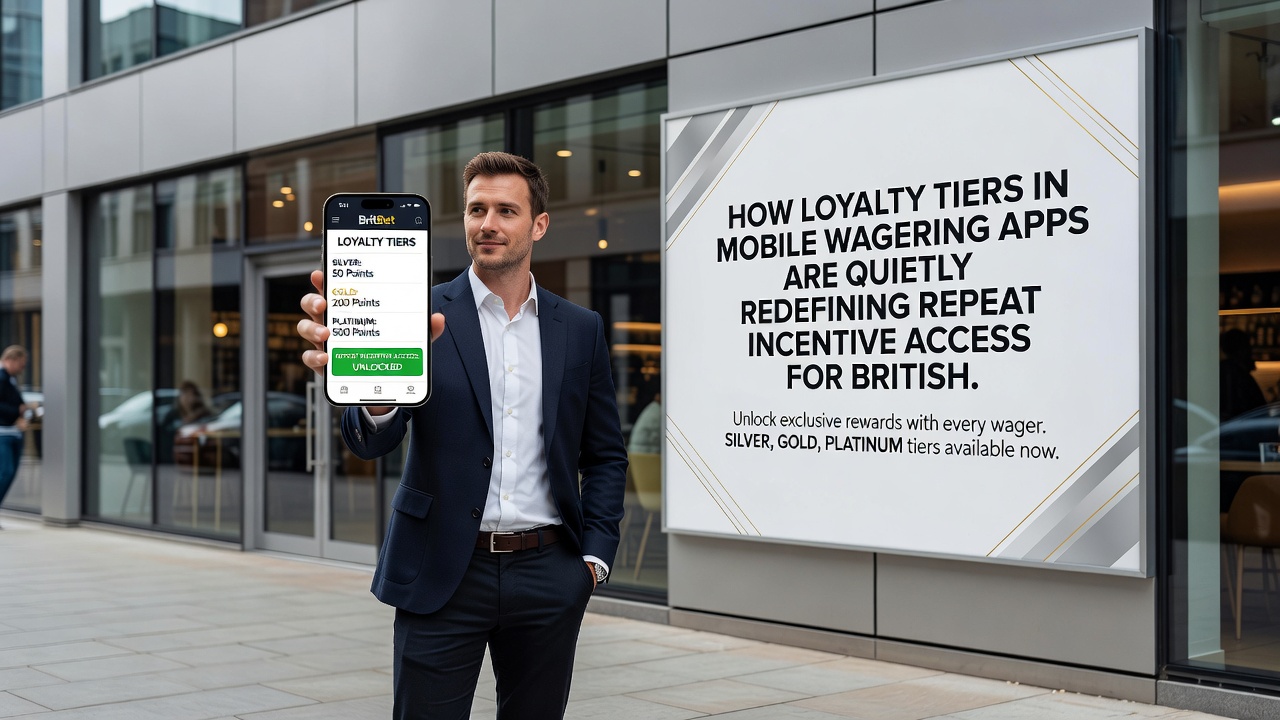
Operators have integrated these tiers into broader app ecosystems that combine sports betting with casino content so points earned in one vertical contribute to overall standing. This integration allows British participants to consolidate activity across game types while maintaining a single progression path. Researchers note that the quiet evolution of these systems has occurred without major regulatory announcements yet the changes affect how incentives reach different user segments on a daily basis.
Future Trajectories Through Mid-2026
By July 2026 projections from analytics firms suggested continued refinement of tier algorithms to incorporate additional variables such as session duration and device type. British participants already encounter variations where certain apps weight live in-play bets more heavily toward tier points than pre-match wagers. The result creates differentiated pathways that reward specific styles of engagement and operators communicate these rules through in-app terms that users review before committing to higher activity levels. Patterns emerging from available datasets reveal steady growth in the number of participants who achieve at least one tier advancement within their first six months of regular use.
Conclusion
Loyalty tiers embedded in mobile wagering apps have altered the pathways through which repeat incentives reach British participants and the structures continue to evolve alongside usage data collected through the platforms themselves. Observers track these developments through publicly available industry summaries that document shifts in how rewards distribute across user groups. The systems operate on transparent point systems that participants can monitor directly within each application and this visibility supports ongoing adjustments to activity patterns. As mobile wagering maintains its position in the British market the role of tiered access remains a central element in how operators manage repeat engagement.