Mapping Referral Networks and Cashback Structures Across Britain's Licensed Betting Operators
Freya Meier · May 17, 2026
Mapping Referral Networks and Cashback Structures Across Britain's Licensed Betting Operators
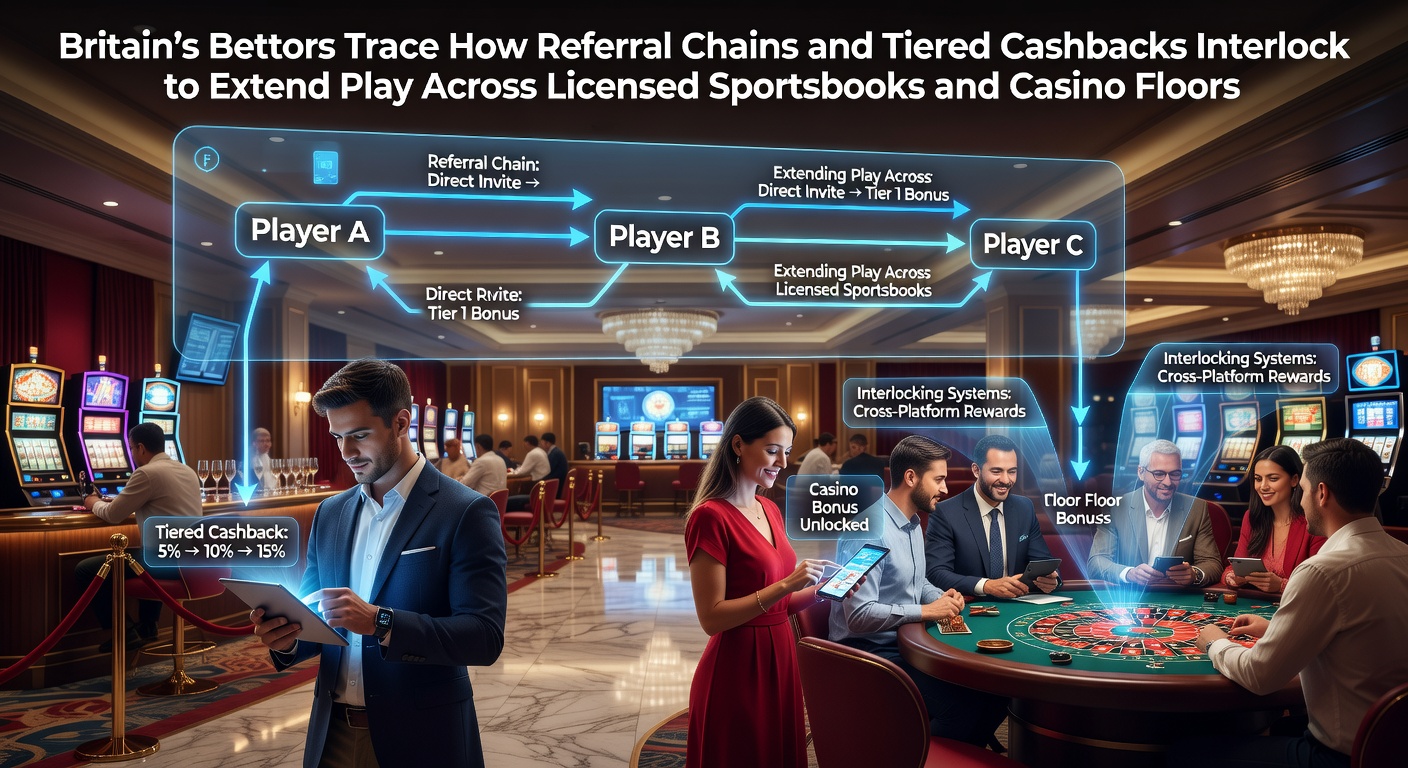
Referral chains operate through structured invitation systems where existing account holders share unique codes that unlock initial deposit matches or free spins for new users, and these mechanics connect directly with tiered cashback frameworks that return percentages of net losses based on cumulative activity levels across multiple operators. Licensed platforms integrate both features so that a single referral can trigger entry into a rewards ladder where weekly or monthly rebates increase from basic rates of five percent up to fifteen percent or higher once volume thresholds are met, which in turn encourages continued wagers on sports events and casino tables without interruption. Data from industry tracking in early 2026 shows that operators combine these tools to maintain session lengths, with referral bonuses often feeding directly into cashback calculations that reset play cycles across desktop and mobile interfaces.
How Referral Chains Build Initial Momentum
Operators structure referral programs so that both the referrer and the new participant receive layered incentives, such as matched deposits that appear as playable credits and additional spins tied to specific game categories, while these credits then count toward the activity metrics that determine cashback eligibility in subsequent periods. Players who accept a referral link in May 2026 often begin with sports betting on football or horse racing markets before migrating to casino sections where slot or table game losses qualify for the same rebate tiers, creating an unbroken loop between verticals. Reports indicate that chains extend when referred users issue their own codes, multiplying the number of active accounts linked to a single original invitation and sustaining deposit flows over weeks rather than isolated days.
Tiered Cashback Systems and Their Integration Points
Cashback tiers function through progressive bands where players advance automatically once monthly loss totals cross defined markers, and operators display these bands clearly in account dashboards so users see the exact rebate percentage that applies to the next cycle. The interlocking occurs because referral rewards frequently contribute to the loss base that unlocks higher tiers, meaning a new player who receives a bonus via referral can reach silver or gold status faster and receive larger returns on any further play across both sportsbook and casino products. This setup allows seamless movement between live betting markets and roulette wheels while the cashback percentage remains consistent regardless of game type, which keeps engagement distributed rather than concentrated in one area.
Observers note that many platforms now synchronize loyalty data across affiliated brands, so activity recorded on a sportsbook app updates the same tier progress visible inside the casino lobby and vice versa. In practice this means a punter who places accumulator bets one evening and switches to blackjack sessions the following day sees combined figures reflected in a single cashback payout, reducing friction and extending overall time spent within the licensed environment. External analysis from the Responsible Gambling Council highlights similar cross-product tracking patterns in several regulated markets, underscoring how unified ledgers support continuous participation.
Cross-Vertical Play Patterns Observed in 2026
By May 2026, usage data revealed that players who entered through referrals showed higher rates of movement between sports and casino sections within the same week compared with those who joined independently. The tiered cashback component reinforces this pattern because higher rebates apply only after sustained losses across categories, prompting users to explore additional game types rather than remain in a single vertical. Licensed operators implement daily loss trackers that feed into weekly summaries, and these summaries determine whether the current tier stays active or advances, thereby linking short-term referral bonuses to longer-term retention mechanics.
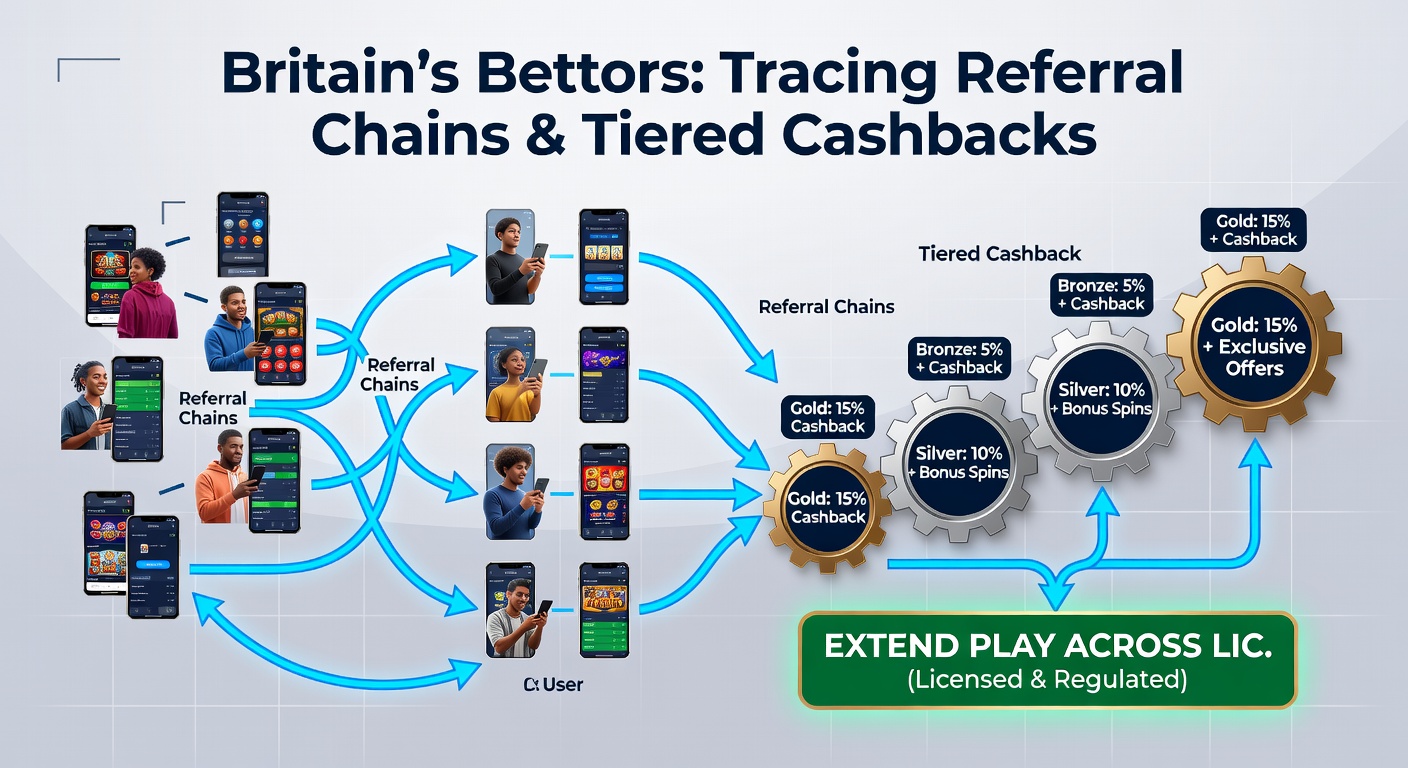
One documented sequence involves a referrer earning a percentage of the new user's deposits as credit, while the new user simultaneously accumulates cashback on any net losses incurred during the promotional window, and both parties advance their respective tiers based on the combined figures. Such sequences repeat across different operators because many maintain reciprocal agreements that allow players to carry tier status or receive mirrored offers when switching between sites, which further lengthens the overall engagement period without requiring new deposits each time.
Operational Mechanics Behind the Interlock
Backend systems calculate eligibility by merging referral tracking codes with loss history logs, then apply the appropriate cashback rate automatically at the close of each qualifying period. Players receive notifications when a referral has helped them climb a tier or when an upcoming cashback payment will cover a portion of recent activity, and these alerts often coincide with new promotional windows that encourage immediate return visits. The design ensures that once a player enters the ecosystem via referral, the cashback structure provides ongoing value that discourages departure to unlicensed alternatives, keeping all recorded play within the regulated sector.
Figures compiled across multiple operators demonstrate that users who reach mid-level tiers through referral-assisted activity maintain average session counts roughly double those of base-tier participants, with the difference most pronounced in combined sportsbook and casino usage. This outcome stems directly from the way rebates scale upward, turning previous losses into credits that fund additional rounds and thereby extending the chain of play across different product types and time periods.
Conclusion
The combination of referral chains and tiered cashbacks creates measurable pathways that link initial sign-ups to sustained cross-vertical engagement on Britain's licensed platforms. Operators continue to refine these connections by aligning data systems and promotional calendars, resulting in activity patterns that span weeks and multiple game formats while remaining fully within regulatory boundaries. Continued monitoring of these mechanics provides clear visibility into how incentives structure ongoing participation across the sector.