Loyalty Tier Dynamics: Cumulative Rewards Driving Retention in Digital Casinos and Sportsbooks
Rosa Foster · Jul 16, 2026
Loyalty Tier Dynamics: Cumulative Rewards Driving Retention in Digital Casinos and Sportsbooks
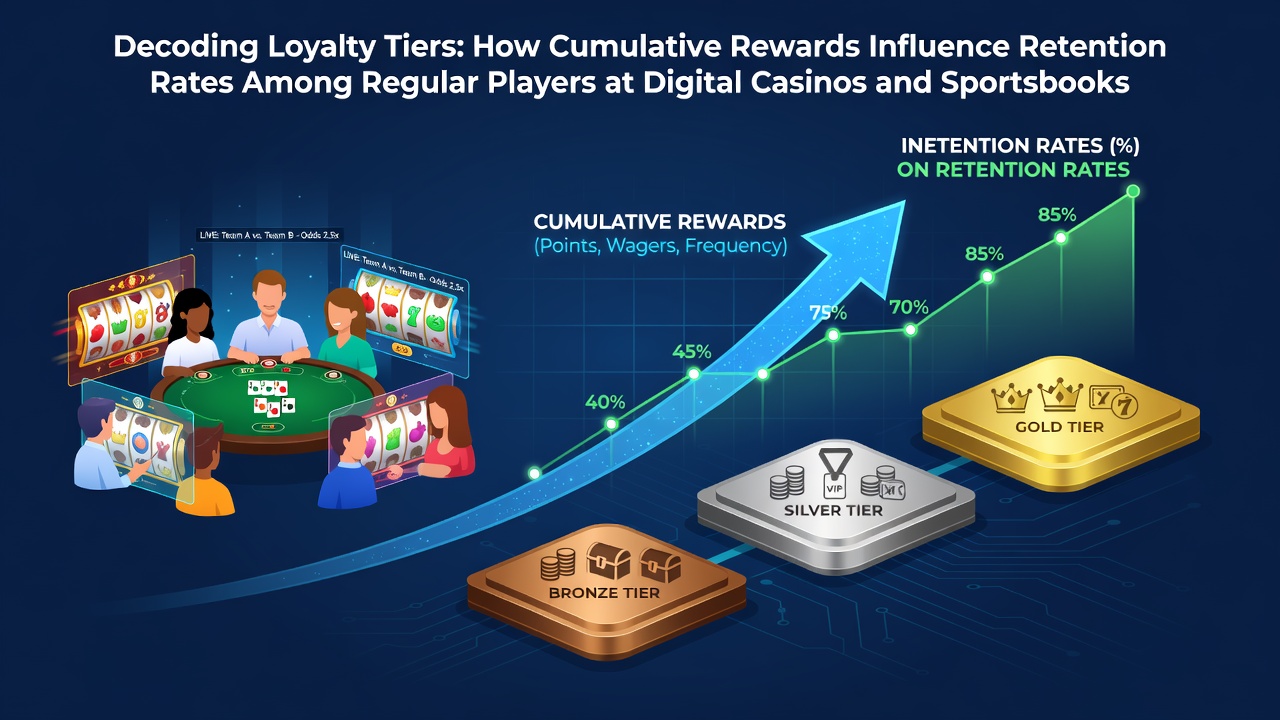
Loyalty programs at digital casinos and sportsbooks operate through structured tiers that reward cumulative activity with escalating benefits, and these systems have shown measurable effects on player retention across multiple markets. Operators track metrics such as deposit frequency, wager volume, and session length to assign players to bronze, silver, gold, or platinum levels, with each advancement unlocking higher cashback percentages, exclusive event access, and accelerated point redemption rates.
How Tier Progression Mechanisms Function
Players accumulate points through consistent betting activity, and reaching higher tiers requires meeting thresholds that reset periodically yet build upon prior engagement data. Research from the University of Nevada's gaming studies department indicates that retention rates increase by approximately 18 percent when players cross from entry-level to mid-tier status, because the perceived value of remaining benefits grows with each milestone. Systems often incorporate multipliers during promotional windows, which accelerate point collection without altering the core structure of the rewards ladder.
Data Patterns from 2026 Market Observations
Industry reports compiled through July 2026 reveal that platforms using cumulative reward models maintain higher month-over-month retention among frequent users compared with those relying solely on one-time bonuses. Figures from the Malta Gaming Authority show average session lengths extending by 22 minutes for players who have achieved silver status or above, while deposit intervals shorten as users aim to protect their current tier standing. These trends appear across both casino slot verticals and sports betting sections, although sportsbooks demonstrate slightly stronger retention when live event multipliers are integrated into the point system.
Retention Metrics Across Tier Levels
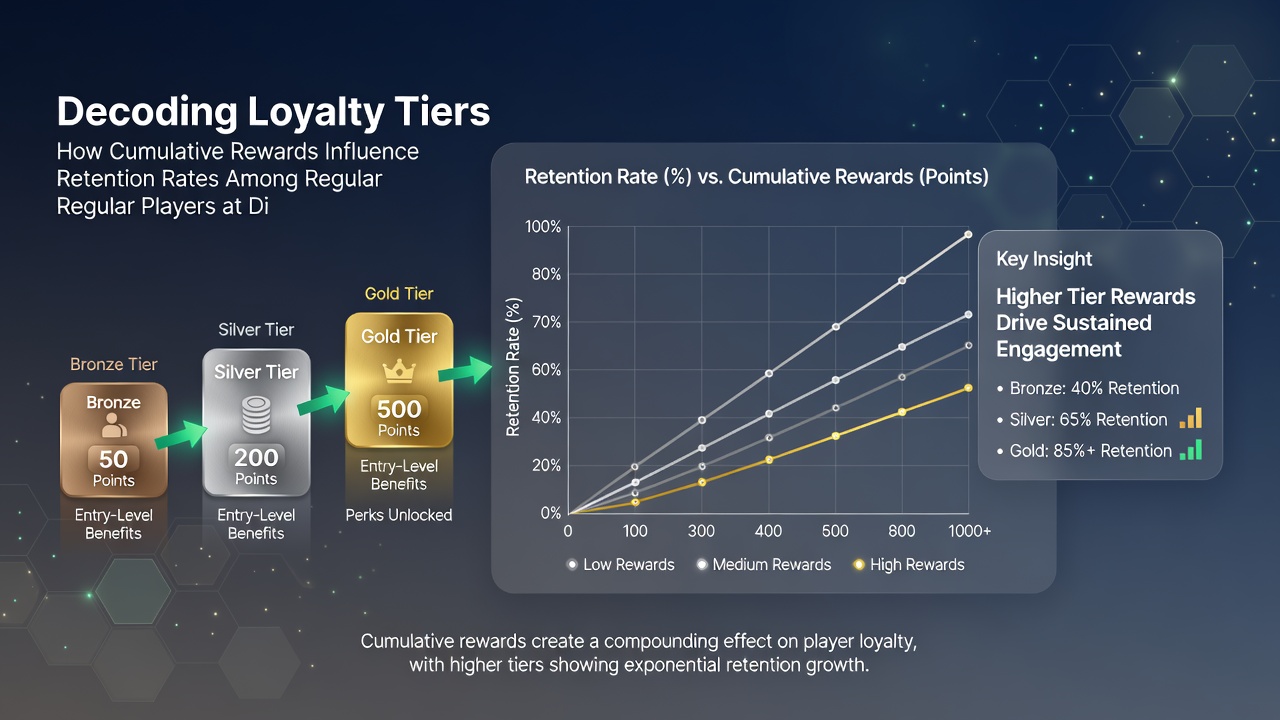
- Entry tiers typically record 45 percent return rates within 30 days of initial activity
- Mid tiers show 67 percent retention when cashback thresholds exceed 5 percent of losses
- Top tiers maintain 81 percent retention when combined with personalized event invitations
Operators adjust tier benefits based on aggregated player data, and this calibration process has led to the introduction of hybrid rewards that combine monetary returns with non-cash items such as merchandise or tournament entries. One case study involving a European-facing sportsbook demonstrated that adding cumulative milestone bonuses increased quarterly retention by 14 percent among users who had previously lapsed after three months.
Regional Variations in Reward Implementation
North American operators licensed under the Nevada Gaming Control Board have incorporated tiered systems that emphasize sports betting volume, while Australian platforms regulated by the Australian Communications and Media Authority focus more on slot and table game accumulation. Both approaches produce similar retention uplifts when point expiration policies are kept transparent and achievement timelines remain achievable for regular participants. Data collected through mid-2026 indicates that players who receive progress notifications via mobile applications exhibit 9 percent higher retention than those without such reminders.
Integration with Broader Engagement Tools
Loyalty tiers often link with other retention features such as personalized game recommendations and risk-management alerts, creating layered incentives that encourage sustained play. Academic papers published by researchers at the University of Sydney's gambling studies unit note that cumulative reward visibility correlates with reduced churn, particularly when users can preview upcoming tier benefits before reaching them. Platforms that allow partial point carryover between periods further stabilize retention among users who experience temporary dips in activity.
Conclusion
Cumulative rewards within loyalty tiers continue to shape retention patterns at digital casinos and sportsbooks through structured progression and escalating benefits. Market data from July 2026 onward confirms that operators who maintain clear, achievable thresholds and combine monetary with experiential rewards achieve stronger long-term player continuity across diverse geographic regions. These systems evolve through ongoing analysis of wager behavior and engagement signals, providing a framework that supports sustained participation without relying on isolated promotional events.