Loyalty Programs in Betting: Breaking Down Tiered Incentives Offered by Bookmakers
Bianca Meier · Jun 7, 2026
Loyalty Programs in Betting: Breaking Down Tiered Incentives Offered by Bookmakers
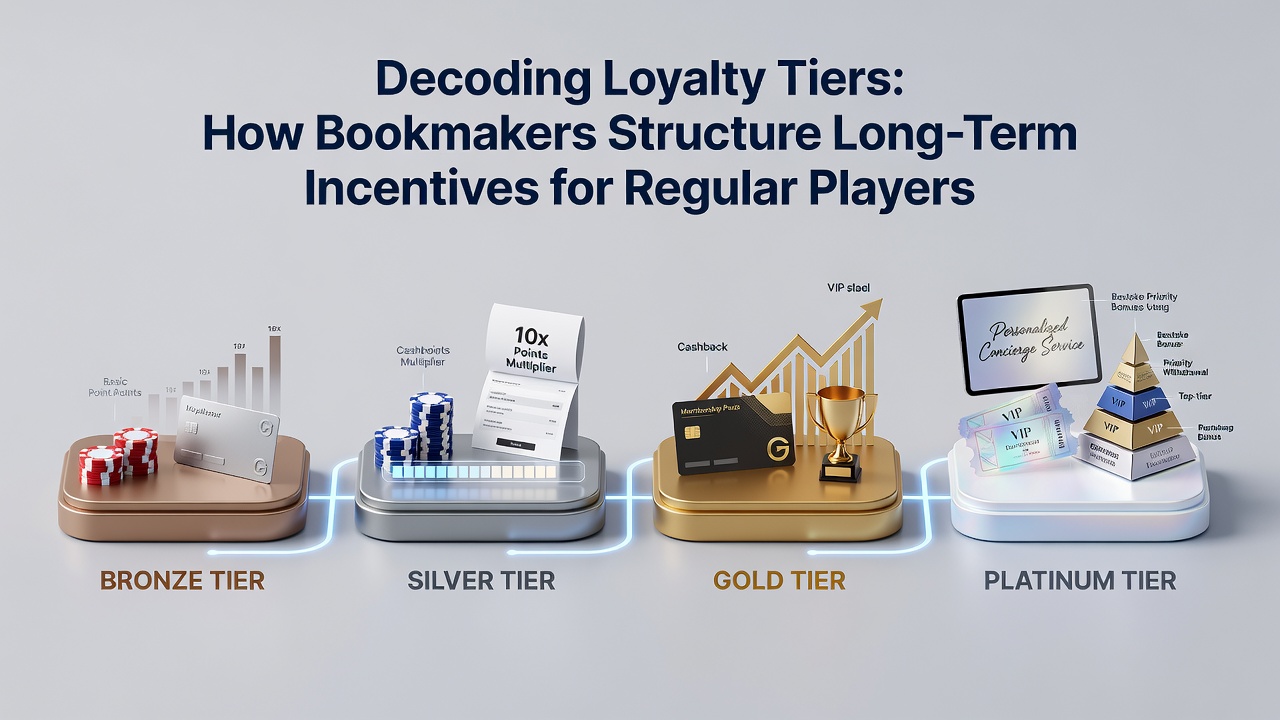
Bookmakers design loyalty tiers as structured systems that reward consistent activity through accumulated points and progressive benefits, and these frameworks operate across major markets including the United States, Australia, and parts of Europe. Operators assign players to levels such as bronze, silver, gold, and platinum based on betting volume, frequency, and sometimes account tenure, while each tier unlocks incremental perks that encourage sustained engagement without relying on one-time promotions.
Points systems form the foundation of most programs, where wagers convert into credits at predetermined rates that vary by sport or market type, and players often earn faster on accumulator bets or live wagers than on single selections. Data from industry analyses shows that many platforms reset points quarterly or annually, which resets the climb toward higher tiers and maintains ongoing participation throughout the year.
Core Mechanics Behind Tier Progression
Advancement through tiers typically depends on a combination of total stakes placed and active days within a tracking period, although some operators incorporate factors like deposit consistency or participation in specific events. Those who reach silver status, for instance, commonly receive enhanced cashback percentages on losses, while gold members access personalized account managers and priority withdrawal processing. Platinum levels frequently include invitations to exclusive events or higher betting limits that reduce house edges on selected markets.
June 2026 saw several operators adjust their point multipliers during major tournaments, aligning rewards with seasonal spikes in activity to retain players who might otherwise migrate between platforms. These adjustments reflect broader patterns where loyalty structures adapt to regulatory changes and competition rather than remaining static.
Regional Variations in Reward Structures
Programs differ notably by jurisdiction. In the United States, frameworks often emphasize sports-specific tiers tied to leagues like the NFL or NBA, with rewards including free bets scaled to monthly handle. Australian operators, regulated under state frameworks, tend to integrate loyalty points with cashback that complies with local responsible gambling requirements, and a 2025 report from the Australian Gambling Research Centre highlighted how tiered systems correlate with longer player retention periods compared to flat bonus models.
European markets show further diversity, where operators link tiers to multi-product usage across sportsbooks, casinos, and poker rooms. Players who engage across verticals accumulate status faster, which creates cross-promotional incentives that single-market activity cannot match. Observers note that such integration helps operators maintain engagement during quieter periods between major sporting calendars.
Benefits Distributed Across Levels
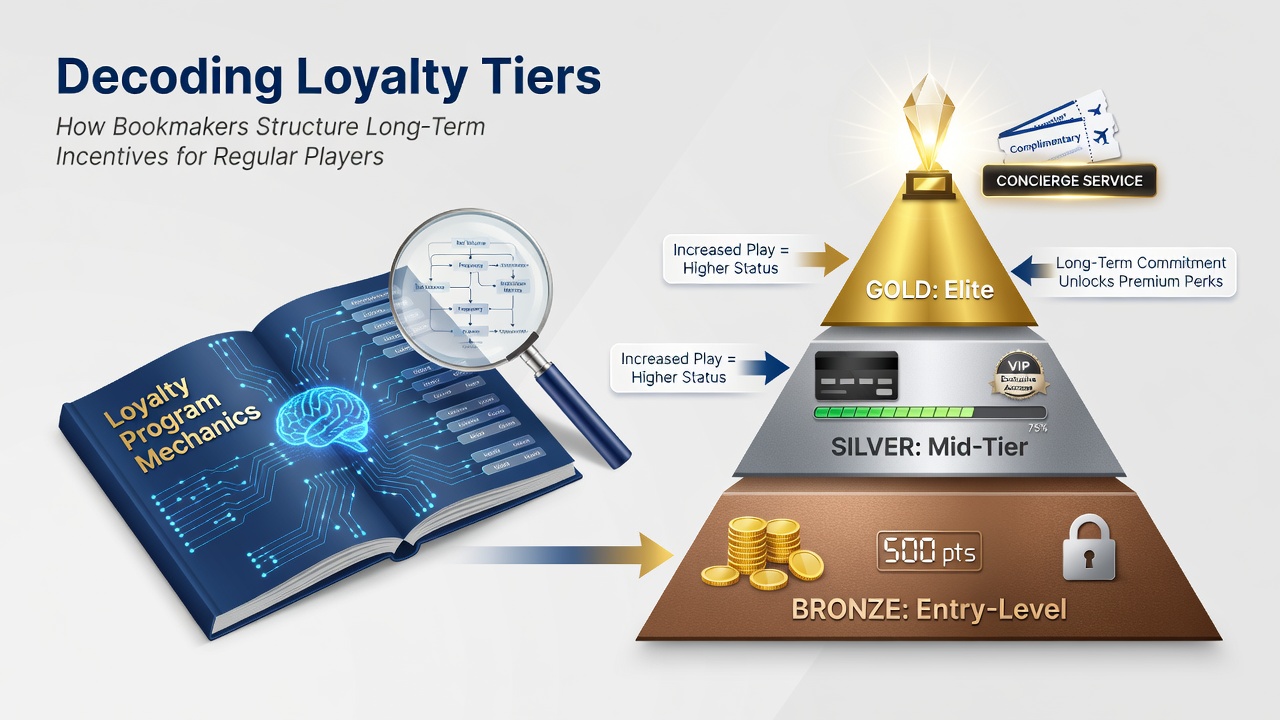
Entry-level tiers usually provide basic multipliers on existing promotions plus occasional reload offers, whereas mid-tier benefits expand to include birthday bonuses, enhanced odds on featured selections, and reduced wagering requirements on any free credits earned. Higher tiers introduce elements such as insurance on losing bets, exclusive market access, and physical merchandise or travel packages tied to major fixtures.
Operators track these rewards through dedicated dashboards that display progress toward the next level in real time, and many send automated notifications when players approach thresholds. This transparency supports continued activity while giving players clear visibility into the value they receive at each stage.
Data Patterns and Retention Outcomes
Research from the Nevada Gaming Control Board indicates that loyalty participants in regulated markets generate higher lifetime value than non-tiered users, largely because the progressive nature of rewards discourages platform switching. Figures reveal that players who maintain gold or platinum status often show deposit consistency even during off-peak months, which stabilizes operator revenue streams.
Academic studies from Canadian research institutions have examined how tier visibility influences behavior, finding that clear progression paths correlate with increased session lengths without necessarily raising average bet sizes. These patterns suggest that the psychological element of status advancement plays a measurable role alongside the tangible benefits.
Conclusion
Bookmaker loyalty tiers represent calculated frameworks that convert regular activity into sustained relationships through measurable progression and escalating rewards. As markets evolve in 2026 and beyond, these structures continue to adapt to regulatory environments and player preferences while remaining central to long-term engagement strategies across multiple jurisdictions.