Layered Rewards: Combining Sportsbook and Casino Incentives to Prolong Gaming Sessions
Rosa Foster · May 21, 2026
Layered Rewards: Combining Sportsbook and Casino Incentives to Prolong Gaming Sessions
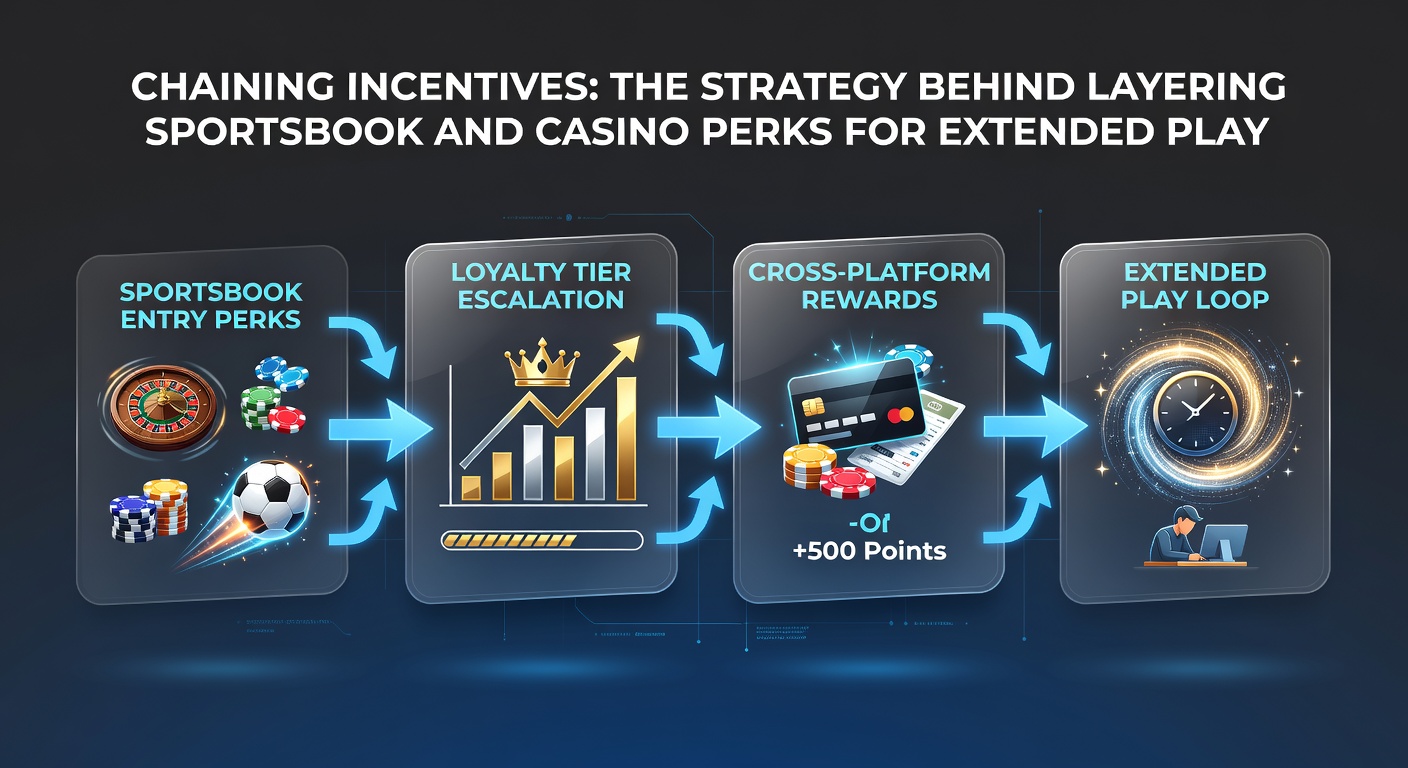
Operators structure promotions so that completing one set of requirements unlocks access to another category of offers, creating sequences where initial deposits in sports betting markets feed directly into casino floor access and vice versa. This approach relies on defined rollover thresholds, time windows, and eligibility rules that guide players from one product vertical to the next without resetting progress toward bonus clearance.
Research from the Australian Government Productivity Commission shows how multi-product operators track cross-vertical play patterns, noting that players who move between sports and casino sections often maintain account activity for longer intervals than single-vertical users. Data collected across several jurisdictions indicates average session duration increases when deposit bonuses carry forward eligibility into secondary game types.
Mechanics of Sequential Offer Activation
Players begin with a sportsbook deposit match that carries a modest rollover attached to settled bets on major leagues. Once the required turnover reaches the threshold, the same account balance or a designated portion becomes eligible for casino-specific free spins or matched play on table games. The transition occurs automatically through backend tagging systems that monitor completed wagering and then flag the player profile for the next tier of rewards.
Time-based triggers add another layer. Many platforms set a seven-day window after sports wagering completion during which casino bonuses remain claimable, while others extend the period when players hit volume milestones across both verticals. Observers note that these overlapping calendars reduce the likelihood of funds being withdrawn before additional play occurs.
Typical Progression Path
- Initial sports deposit unlocks matched funds tied to football or tennis markets
- Rollover completion converts a percentage of cleared balance into casino credit
- Casino play generates loyalty points that retroactively boost sports odds or trigger reloads
- Combined activity over a calendar month unlocks tiered status with reduced withdrawal thresholds
Operators publish clear terms that specify how much sports turnover counts toward casino unlocks and how casino losses or wins affect remaining sports requirements. These rules appear in the terms section of each promotion and update periodically, often aligning with seasonal sports calendars or new game releases.
Operator Design Choices in Multi-Vertical Environments
Platform teams design these chains to balance player retention against regulatory limits on bonus value and wagering requirements. In May 2026 several major operators adjusted their combined loyalty matrices to reflect updated responsible gambling frameworks in multiple regions, shortening maximum rollover periods while expanding the range of qualifying casino games that contribute to sports bonus clearance.
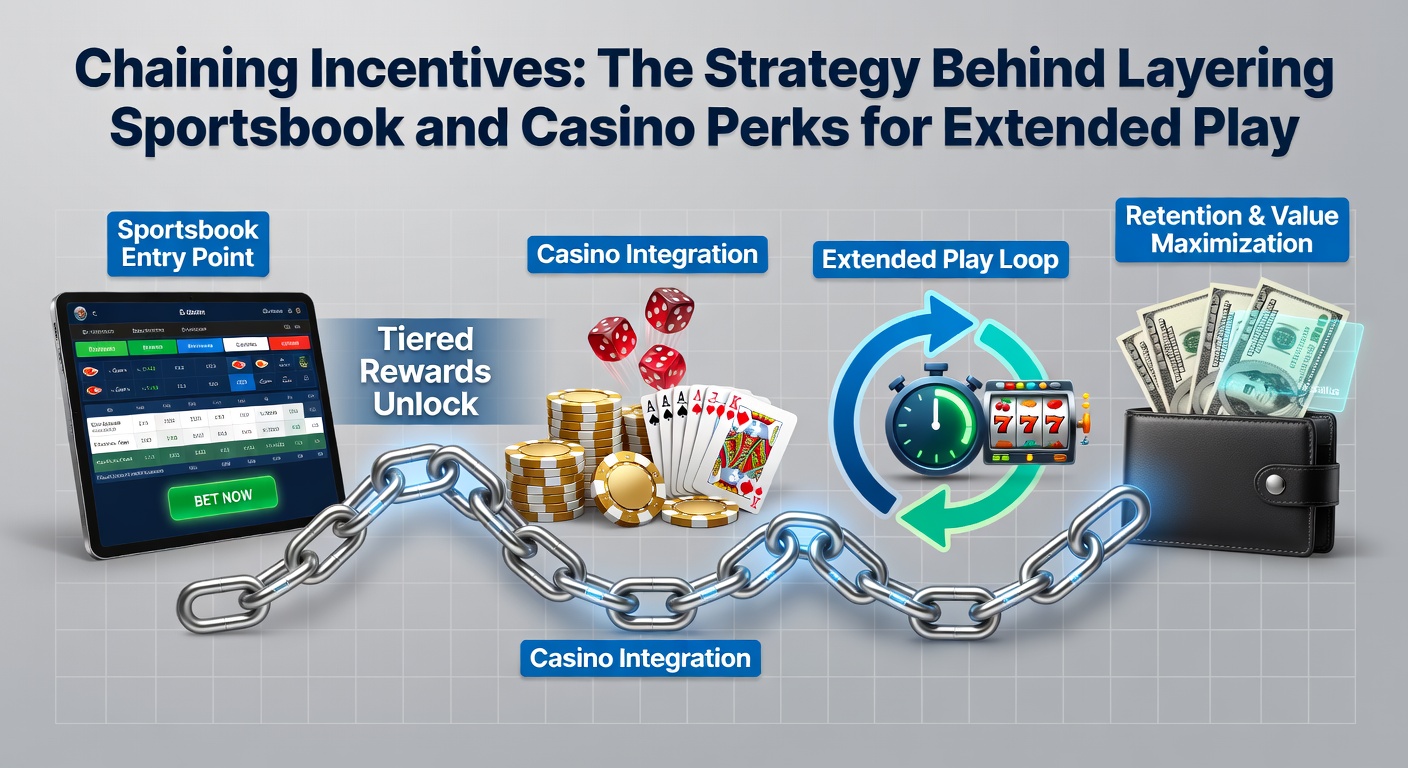
Tracking systems log each step so customer support can explain remaining steps when players inquire about stalled progress. Data from internal dashboards, shared in aggregated industry reports by groups such as the European Gaming and Betting Association, reveal that structured chaining correlates with higher repeat deposit rates within the same thirty-day window.
Player Navigation Patterns and Account Management
Those who study these systems often map out which sports markets clear rollover fastest, then shift winnings or remaining balance into casino sections offering higher contribution rates toward the next unlock. Others time their activity around midweek sports fixtures when casino promotions run concurrently with lower minimum bet thresholds.
Account dashboards typically display progress bars for each active chain, showing percentage completion and remaining time. Players who maintain separate tracking spreadsheets report fewer missed deadlines, especially when promotions span multiple calendar weeks. Platform analytics indicate that users who complete at least two steps in a given chain return for subsequent offers at elevated rates compared with those who engage with isolated promotions.
Geographic differences appear in how regulators permit these sequences. Canadian provincial frameworks, for instance, require explicit disclosure of contribution percentages across game types, while certain U.S. state gaming control boards focus on maximum bonus amounts that can chain without requiring fresh deposits. These variations shape the exact wording operators use when marketing layered offers to different audiences.
Conclusion
The practice of chaining incentives across sportsbook and casino sections rests on measurable mechanics of rollover tracking, eligibility tagging, and calendar alignment. Operators refine these structures continuously in response to player behavior data and regional compliance updates. Players who follow published terms and monitor progress indicators can move through successive reward stages within defined timeframes, extending overall platform engagement without additional deposits at each step.