Inside the Points Game: Unpacking Reward Tiers That Keep Bettors Engaged on Digital Platforms
Bianca Meier · Jul 7, 2026
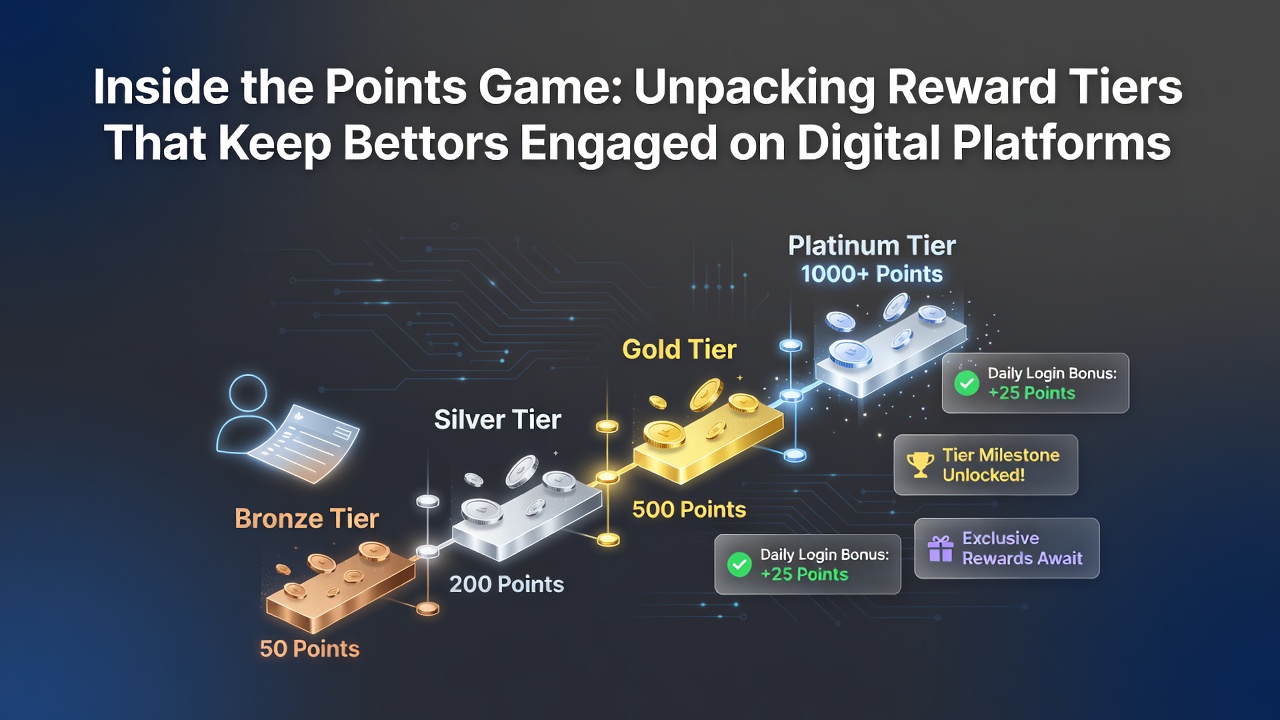
Inside the Points Game: Unpacking Reward Tiers That Keep Bettors Engaged on Digital Platforms
Digital betting platforms have developed structured reward systems that convert user activity into points, which then determine access to escalating benefit levels, and these programs operate across multiple jurisdictions with consistent patterns in their design. Points accumulate through wagers placed on sports markets, casino games, or virtual events, while tier advancement depends on thresholds measured in either monetary volume or frequency of participation during defined periods.
Core Structure of Tiered Reward Systems
Entry-level tiers typically grant basic perks such as accelerated point earning rates and access to standard promotions, whereas mid-tier status unlocks personalized account managers along with higher withdrawal limits and exclusive event invitations. Top tiers deliver priority customer support, customized bonus structures, and invitations to offline experiences that include hospitality packages at major sporting venues. Researchers at the University of Nevada Reno documented how these layered structures maintain engagement by creating clear progression markers that users track through app dashboards updated in real time.
Platforms calculate points using formulas that weigh bet type, stake size, and outcome, although many operators apply multipliers during promotional windows such as major tournament periods. Data from the Canadian Gaming Association shows that participants in tiered programs recorded average session durations 28 percent longer than those outside such systems during the first half of 2026. Operators adjust point valuations periodically to balance cost against retention outcomes, drawing on internal analytics that track churn rates at each tier boundary.
Progression Mechanisms and User Tracking
Users advance through tiers by meeting rolling qualification windows that reset monthly or quarterly, and platforms display progress bars alongside projected timelines based on recent activity patterns. Some systems incorporate soft resets that carry partial credit forward, while others enforce strict resets that require renewed activity to maintain status. Observers note that this design encourages consistent participation rather than sporadic large deposits, because steady accumulation often proves more efficient for long-term tier security.
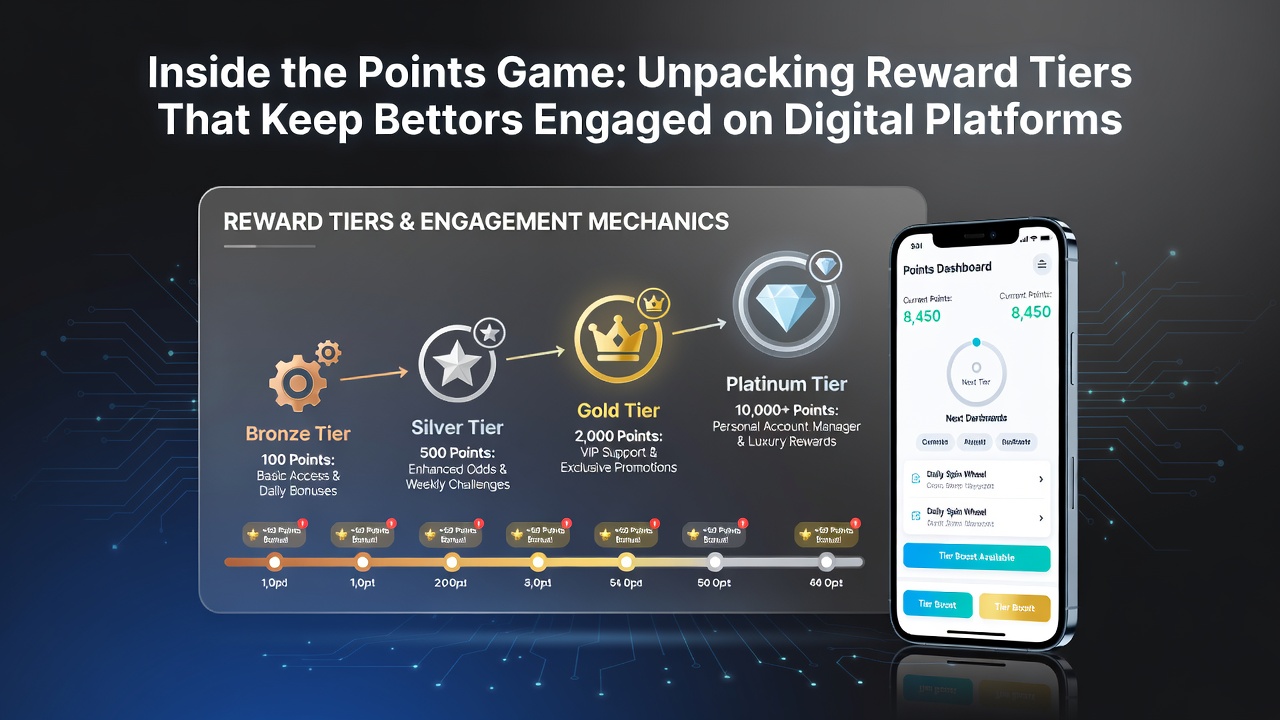
July 2026 data releases from several European operators indicated that users reaching gold or platinum tiers generated 3.2 times the revenue of base-tier accounts over equivalent timeframes, although these figures reflect aggregate platform metrics rather than individual outcomes. Integration with mobile push notifications alerts participants when they approach the next threshold, and many platforms add social features that allow users to compare progress within private groups or leaderboards.
Regional Variations in Implementation
Operators licensed in Australia apply tier structures that align with local responsible gambling codes, capping certain high-tier benefits to prevent excessive play patterns. In contrast, platforms serving North American markets emphasize integration with sports betting markets tied to professional leagues, where point bonuses often coincide with season launches. Industry reports compiled by the National Council on Problem Gambling highlight how transparent tier rules help users understand qualification criteria without ambiguity, reducing disputes over benefit eligibility.
Third-party auditing firms verify that point awards match published rules, and several jurisdictions now require annual disclosure of average time spent at each tier level. These disclosures reveal that most participants remain in lower tiers, while a smaller cohort achieves and sustains top status through sustained volume. Platforms respond by introducing hybrid rewards that blend digital points with tangible merchandise or travel credits, broadening appeal across different user segments.
Impact on Platform Metrics
Engagement analytics demonstrate that tiered programs correlate with higher deposit frequency and reduced dormancy periods, although causation remains difficult to isolate from concurrent marketing efforts. A 2025 study published in the Journal of Gambling Studies examined 14 major platforms and found that users who crossed into mid-tier status showed a 41 percent increase in monthly active days compared with their pre-tier baseline. Operators continue to refine algorithms that predict optimal tier thresholds, balancing acquisition costs against lifetime value projections derived from historical cohorts.
Cross-platform partnerships have emerged in which points earned on one site transfer to affiliated entertainment services, extending the ecosystem beyond core betting activity. These collaborations require careful regulatory navigation because each jurisdiction maintains distinct rules governing promotional transfers and bonus valuations. Users receive consolidated statements that itemize points earned, redeemed, and forfeited, supporting clearer oversight of personal activity.
Conclusion
Tiered reward structures on digital betting platforms function through defined point accumulation rules and staged benefit access that together shape user retention patterns across global markets. Documentation from regulatory filings and academic analyses confirms measurable differences in activity levels between tier groups, while ongoing adjustments reflect both commercial priorities and compliance requirements. As platforms evolve their systems through 2026, the underlying mechanics remain centered on transparent progression pathways that convert consistent participation into escalating advantages.