How Payment Choices Influence Bonus Eligibility on Digital Wagering Platforms
Freya Meier · Aug 23, 2026
How Payment Choices Influence Bonus Eligibility on Digital Wagering Platforms
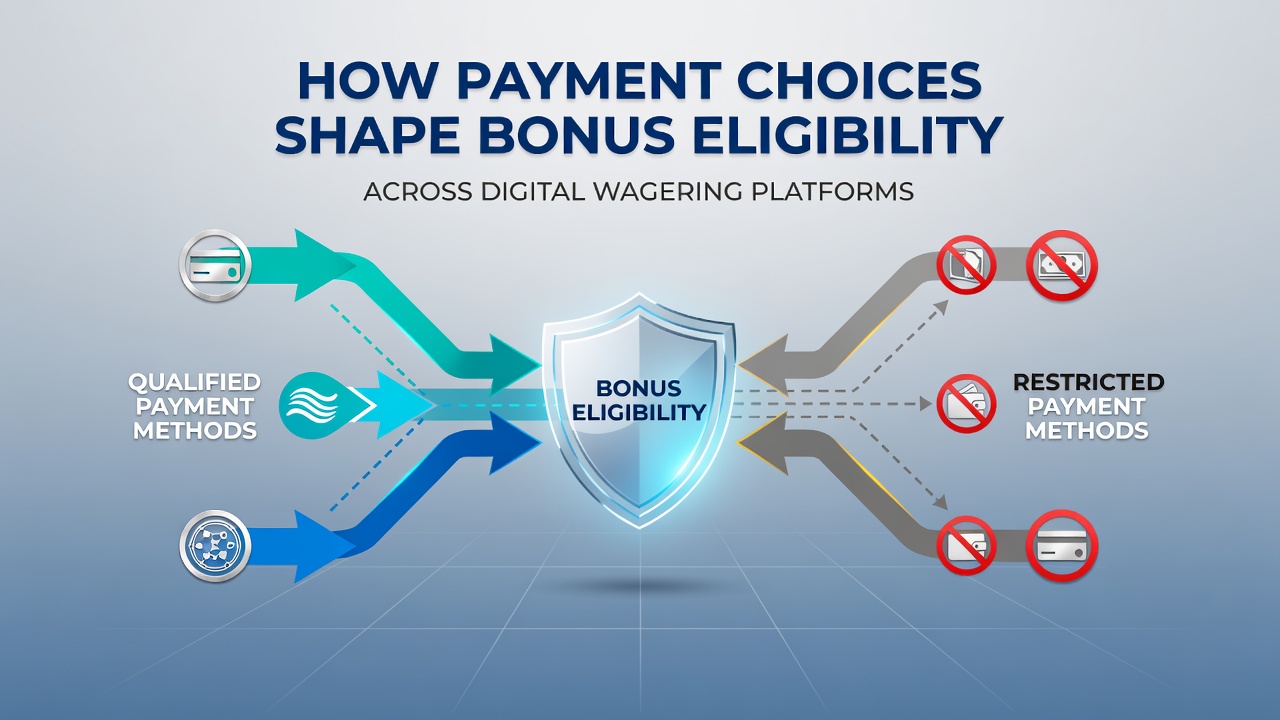
Payment selections play a direct role in determining which promotional offers become available to users on digital wagering platforms, and operators apply specific rules that tie deposit methods to eligibility criteria. Platforms often exclude certain transaction types from bonus qualification while favoring others that align with faster processing and lower risk profiles. Data from regulatory bodies across multiple regions shows these distinctions create noticeable differences in how players access welcome packages, reload incentives and cashback programs.
Deposit Method Categories and Their Restrictions
Credit and debit card deposits frequently qualify for full bonus participation because they provide immediate verification and established fraud protections, yet some platforms impose minimum spend thresholds that must be met before any promotional funds activate. E-wallet services such as Skrill and Neteller receive mixed treatment, with many operators blocking these methods from contributing toward welcome bonuses while still permitting them for standard play. Bank transfers and prepaid vouchers follow another pattern where processing delays can push users outside eligibility windows that require deposits within a set timeframe after account creation.
Cryptocurrency options have expanded rapidly and now appear on numerous sites, though their acceptance for bonus purposes varies sharply depending on the jurisdiction and the platform's internal policy. Observers note that platforms accepting Bitcoin or Ethereum for bonuses often attach higher wagering requirements to offset volatility concerns, and those requirements appear in the terms before any funds are credited.
Regional Patterns Emerging in Mid-2026
By August 2026, several markets had introduced clearer guidelines around payment-linked promotions, and operators responded by updating their bonus structures accordingly. In jurisdictions where regulators emphasize consumer protection, platforms now list excluded payment types more prominently in promotional materials. Research from the New Jersey Division of Gaming Enforcement indicates that card-based deposits continue to dominate bonus redemptions, while e-wallet usage remains higher for non-promotional activity.
Similar shifts appear in other regulated environments where licensing conditions require transparent disclosure of which funding sources count toward bonus playthrough. Those who track these changes across borders find that Australian and Canadian platforms have adopted comparable exclusion lists, particularly for cryptocurrency and certain prepaid options, to maintain compliance with local standards.
Practical Examples from Platform Policies
One major operator revised its welcome offer in early 2026 to state that only Visa and Mastercard deposits would trigger the initial bonus, while all other methods would receive standard account credit without the promotional match. Another site introduced a tiered system where bank transfers qualify for smaller reload bonuses but cannot be used for no-deposit free spin offers. These adjustments reflect broader industry efforts to balance player acquisition with risk management around payment reversals.
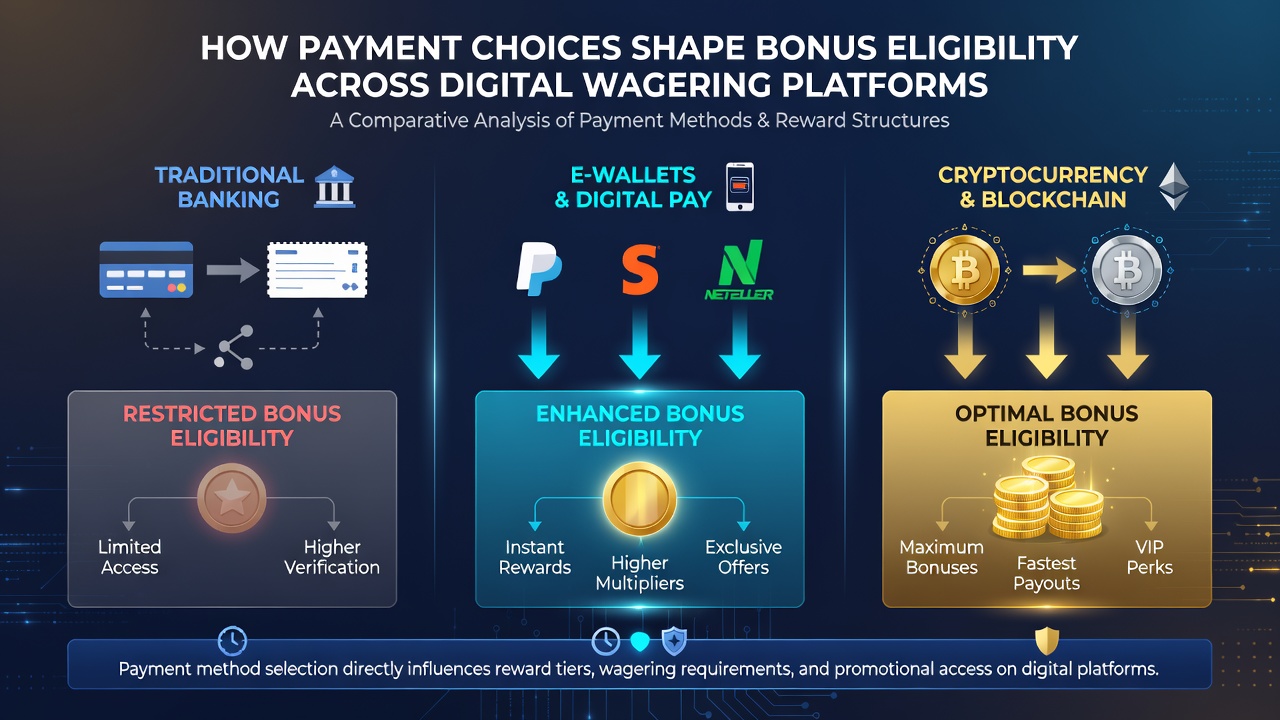
Players who review terms before depositing often discover that certain e-wallets carry a 30-day holding period before any bonus winnings can be withdrawn, whereas card deposits clear faster once wagering conditions are satisfied. This distinction influences how users plan their funding strategy when targeting specific promotions.
Impact on Player Behavior and Platform Design
Platforms have adjusted their interface designs to highlight qualifying payment methods at the deposit stage, reducing instances where users select an ineligible option and later request support intervention. Industry reports from the Responsible Gambling Council in Canada highlight that clearer labeling correlates with fewer disputes over bonus eligibility. At the same time, some operators now offer alternative incentives for users who prefer e-wallets, creating parallel promotion tracks that do not compete with card-based offers.
Payment choice therefore functions as both a technical filter and a behavioral signal that platforms use to segment their user base and allocate promotional resources accordingly. Those who study these systems observe that the most restrictive policies typically appear on sites targeting high-volume markets where regulatory scrutiny is strongest.
Conclusion
Payment method selection continues to shape access to bonuses across digital wagering environments through explicit rules, processing timelines and regional compliance requirements. As platforms refine their systems in response to evolving regulations and user preferences, the relationship between funding source and promotional eligibility remains a central factor in how offers are structured and claimed. Users benefit from checking current terms for each platform since these policies shift periodically in line with both commercial strategy and oversight changes.