From Single Perks to Sustained Sequences: Peer Referrals Shaping Betting Practices Across UK Licensed Operators
Freya Meier · May 28, 2026
From Single Perks to Sustained Sequences: Peer Referrals Shaping Betting Practices Across UK Licensed Operators
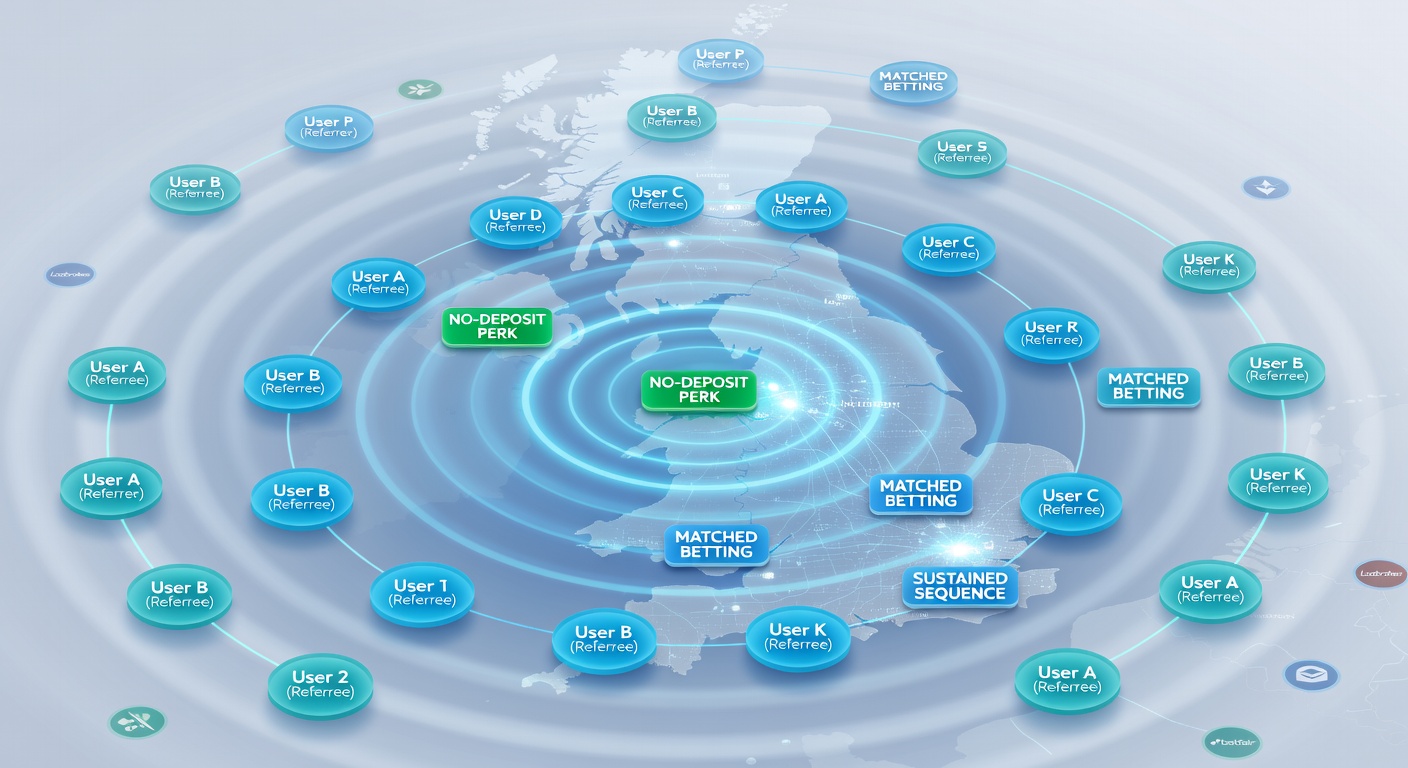
Referral systems on Britain's licensed betting platforms create networks where initial no-deposit offers expand through successive user invitations, and these chains support extended sequences that combine free bets with matched wagering techniques. Operators design these programs so existing users receive incentives for each successful sign-up, while new participants gain access to credits that require specific wagering steps before withdrawal. Data from industry analyses show that such structures appeared more frequently after 2024, with participation rates rising steadily into 2025 and remaining elevated through May 2026.
Mechanics of Referral Expansion
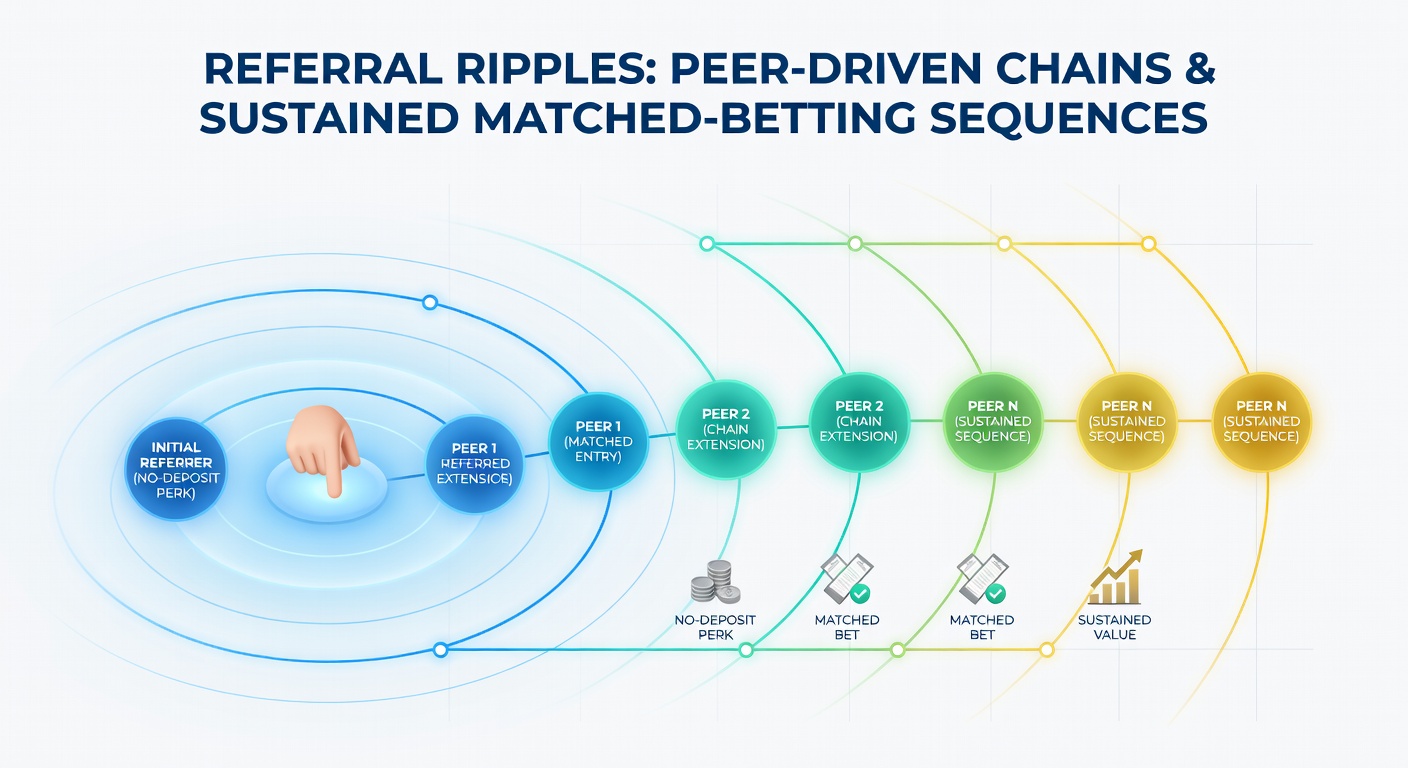
Operators credit accounts when a referred user completes registration and meets minimum activity thresholds, and this process repeats as each new participant extends the chain. No-deposit perks typically arrive as bonus funds or free bets valued between £10 and £30, with terms that mandate turnover multiples before any balance converts to withdrawable cash. Those who study these patterns note that users often combine the initial credit with opposing bets on the same event, a method that secures the bonus value regardless of the outcome while satisfying the operator's play-through rules.
Platform data indicate that referral uptake correlates with seasonal promotions, especially around major football fixtures and horse racing calendars. When one user shares a unique code, the recipient's activity generates further codes that circulate within social groups, and this multiplication effect stretches the original perk across multiple accounts. Reports compiled by the European Gaming and Betting Association document similar referral growth across several European markets, confirming the pattern extends beyond Britain.
Transition From One-Time Credits to Repeated Sequences
Once the first bonus activates, users frequently identify additional no-deposit opportunities through the same referral network, and this creates layered sequences lasting several weeks. Each new account adds fresh credits that participants convert using matched positions on high-liquidity markets such as Premier League matches or tennis sets. Operators enforce separate terms for each bonus, requiring distinct wagering on different events to prevent overlap violations. Observers record that these sequences remain confined to licensed operators because offshore sites lack the regulatory oversight that validates bonus integrity.
Account verification steps, including identity checks and payment method confirmation, occur at each stage to maintain compliance. Figures released by academic researchers at the University of Sydney's Gambling Research Unit reveal that referral-driven account creation increased by 18 percent year-over-year in regulated markets during 2025, with Britain contributing a notable share. The same study highlights that users who maintain multiple verified profiles within the referral web tend to sustain activity longer than those entering through direct advertising channels.
Regulatory Environment and Platform Responses
Licensed operators must adhere to rules set by national authorities that cap bonus values and require clear disclosure of wagering conditions. In May 2026 several platforms adjusted referral payout schedules to align with updated responsible gambling guidelines, shortening the window between sign-up and bonus release. These adjustments reduced the speed at which chains could expand while preserving the core incentive structure. Industry trade groups report that operators now embed tracking tools that flag unusually rapid account creation from single IP addresses, a measure aimed at limiting artificial inflation of referral numbers.
Payment processors integrated with licensed sites apply additional scrutiny to accounts linked through referrals, and this has prompted users to space out their activity across different calendar weeks. The resulting sequences therefore stretch over longer periods, with each matched-betting cycle separated by the required cooling intervals. External audits conducted by independent testing agencies confirm that the majority of operators display accurate terms at the point of referral acceptance, reducing disputes over hidden conditions.
Market Data and Participation Trends
Surveys conducted across British betting communities indicate that roughly one in four active users first joined through a referral link during the 2025 calendar year. These participants generated an average of 2.3 additional referrals within six months, according to aggregated operator statistics released in early 2026. The pattern produces a geometric increase in accounts tied to the original promotion, each carrying its own no-deposit allocation that feeds into further matched sequences. Platforms respond by capping the total number of active referral bonuses per household, a policy introduced to maintain balance between new customer acquisition and existing user retention.
Cross-platform comparisons show that sportsbooks with integrated casino sections allow users to alternate between betting markets and slot play when converting referral credits, and this flexibility lengthens the duration of individual sequences. Data collected by regional regulatory bodies in other jurisdictions, including the Alcohol and Gaming Commission of Ontario, demonstrate parallel referral growth in North American markets, underscoring the international reach of these mechanics.
Conclusion
Referral structures on UK licensed platforms convert isolated no-deposit offers into interconnected sequences by linking successive user invitations with matched-betting requirements. Participation metrics collected through 2026 illustrate sustained growth in chain length and duration, driven by the combination of peer sharing and platform incentives. Operators continue to refine verification and payout rules, while external research tracks the resulting patterns across multiple regulated territories.