Data Analytics Powering Custom Wagering Rewards on Mobile Platforms
Rosa Foster · Sep 3, 2026
Data Analytics Powering Custom Wagering Rewards on Mobile Platforms
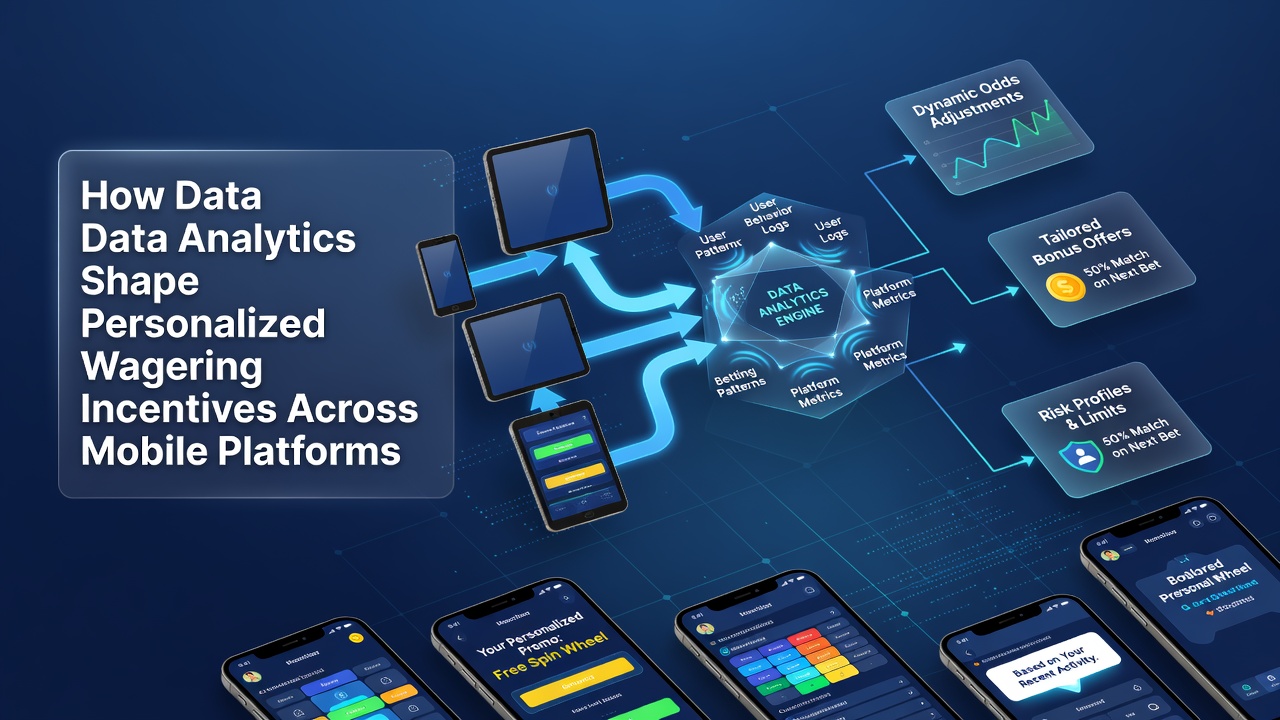
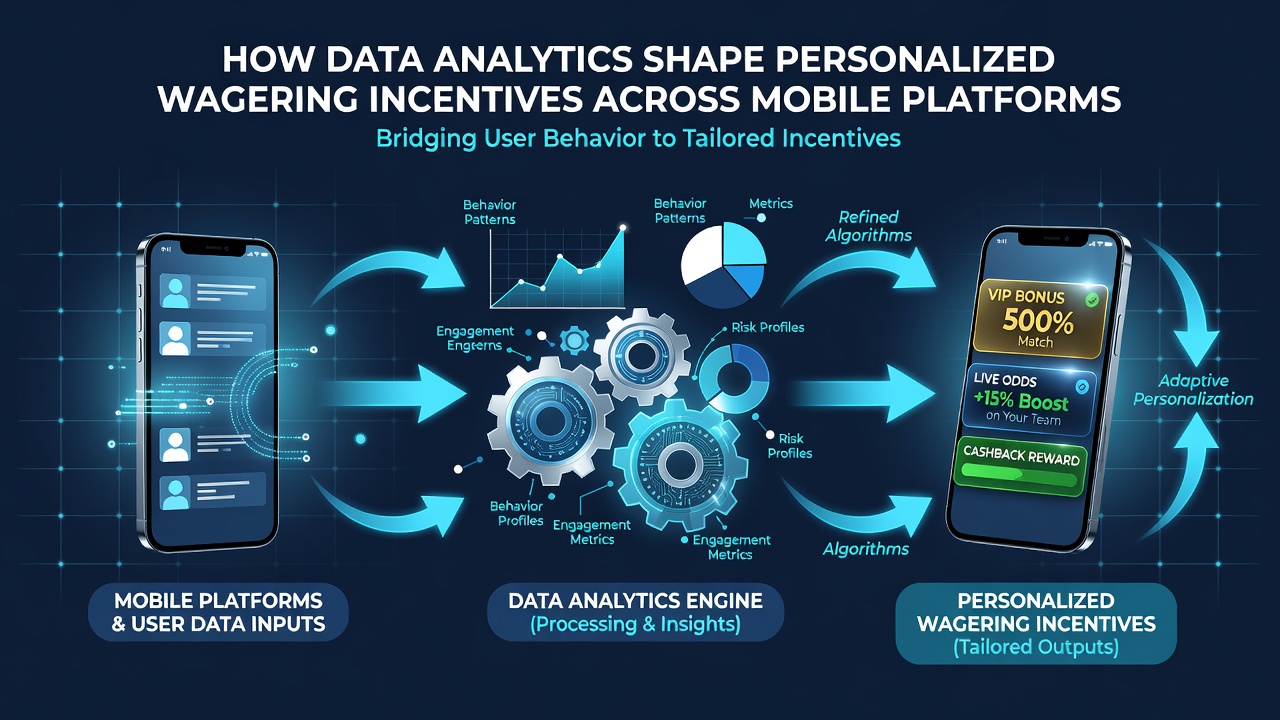
Data analytics has transformed how mobile wagering platforms create incentives that match individual user behaviors and preferences, with operators collecting vast amounts of information from app interactions, transaction histories, and device metrics to refine their approaches. Platforms track elements such as bet frequency, preferred sports or games, deposit patterns, and session durations, then apply algorithms to segment users into groups that receive targeted promotions like adjusted free bet amounts or tailored cashback rates. This process allows companies to move beyond generic offers and instead deliver incentives that align closely with observed activity levels.
Methods of Data Gathering on Mobile Devices
Mobile applications gather information through multiple channels that include in-app clicks, GPS location data when permitted, and integration with payment processors, while machine learning models process these inputs to predict which incentives might encourage continued engagement. Operators often combine first-party data from their own systems with anonymized third-party datasets to build more complete profiles, and studies from industry groups show that such combined datasets help identify patterns like seasonal spikes in certain bet types. Those who have examined these systems note that real-time processing lets platforms adjust offers mid-session, such as increasing a reload bonus for users who have paused activity after a losing streak.
Geolocation features add another layer, enabling platforms to deliver location-specific promotions during events in particular regions, whereas device performance data helps optimize how incentives appear on different screen sizes and operating systems. Researchers at various academic institutions have documented how these techniques improve retention metrics across different markets, with evidence indicating higher response rates when incentives match past user choices rather than broad campaigns.
Core Analytics Approaches Behind Personalization
Predictive modeling stands out as a primary tool, where historical data feeds into forecasts about future betting volumes and helps determine the size of welcome offers or loyalty rewards for each account. Clustering algorithms group similar users together, allowing one segment to receive free spins on slots while another sees matched deposits on sports markets, and platforms refine these clusters continuously as new data arrives. A/B testing runs alongside these efforts, with small user groups exposed to variant incentives to measure which versions generate stronger uptake before wider rollout.
According to reports from the American Gaming Association, operators in regulated markets have expanded their use of these analytics tools in recent years, leading to more precise allocation of promotional budgets. Natural language processing also plays a role by analyzing support chat logs and review texts to detect sentiment shifts that might trigger retention incentives before a user departs.
Examples of Tailored Incentives in Practice
One common application involves dynamic bonus sizing, where a user who typically places smaller stakes receives proportionately scaled free bets instead of the standard fixed amount offered to high-volume players. Platforms have also introduced streak-based rewards that activate after consecutive days of activity, with the reward value calculated from that user's average bet size over the preceding period. In September 2026, several major operators rolled out event-tied offers that drew on accumulated data about regional sports preferences, resulting in promotions focused on specific leagues during international tournaments.
Take the case of loyalty programs that adjust cashback percentages weekly based on net losses and win rates, an approach that keeps the incentive aligned with each account's recent performance. Observers have noted that these systems often incorporate time-decay functions, giving more weight to recent activity so that offers remain relevant rather than relying on outdated patterns from months earlier.
Regulatory and Technical Considerations Across Regions
Regulators in multiple jurisdictions require operators to maintain transparency around data usage and to obtain explicit consent for tracking features, with bodies such as those in Australia and parts of Europe enforcing strict rules on how personal information informs promotional targeting. Technical teams must balance the push for deeper personalization against data protection standards, which sometimes limits the granularity of profiles that can be built. Industry reports from the European Gaming and Betting Association highlight ongoing investments in secure data pipelines that allow analytics to function while meeting compliance thresholds.
Platforms also contend with varying device capabilities, since older smartphones may not support the full range of tracking tools that newer models handle, leading some operators to create simplified incentive structures for those users. Data security measures have grown in parallel, with encryption and anonymization techniques applied to protect the datasets that power these personalization engines.
Trends Emerging Toward Late 2026
Integration with emerging technologies such as on-device processing promises to reduce latency in offer delivery while keeping more user data local, and early tests suggest this could enhance response times for time-sensitive promotions. Cross-platform consistency remains a focus, with operators working to ensure that incentives viewed on a phone mirror those available on tablets without duplicating data storage. Figures from research institutions indicate steady growth in the proportion of marketing budgets allocated to analytics-driven campaigns rather than mass outreach.
Conclusion
Data analytics continues to refine how mobile wagering platforms construct and distribute personalized incentives, drawing on detailed user profiles to match offers with demonstrated behaviors across different markets and device types. The combination of predictive tools, segmentation methods, and real-time adjustments has produced systems that adapt quickly to shifting patterns, while regulatory frameworks in various regions shape the boundaries within which these practices operate. As platforms incorporate additional data sources and refine their models, the structure of wagering incentives on mobile devices will likely keep evolving in response to both technological capabilities and compliance requirements.