Charting Connections Between Repeat Deposit Rewards and Peer Recommendations in Britain's Betting Industry
Henrik Foster · May 24, 2026
Charting Connections Between Repeat Deposit Rewards and Peer Recommendations in Britain's Betting Industry
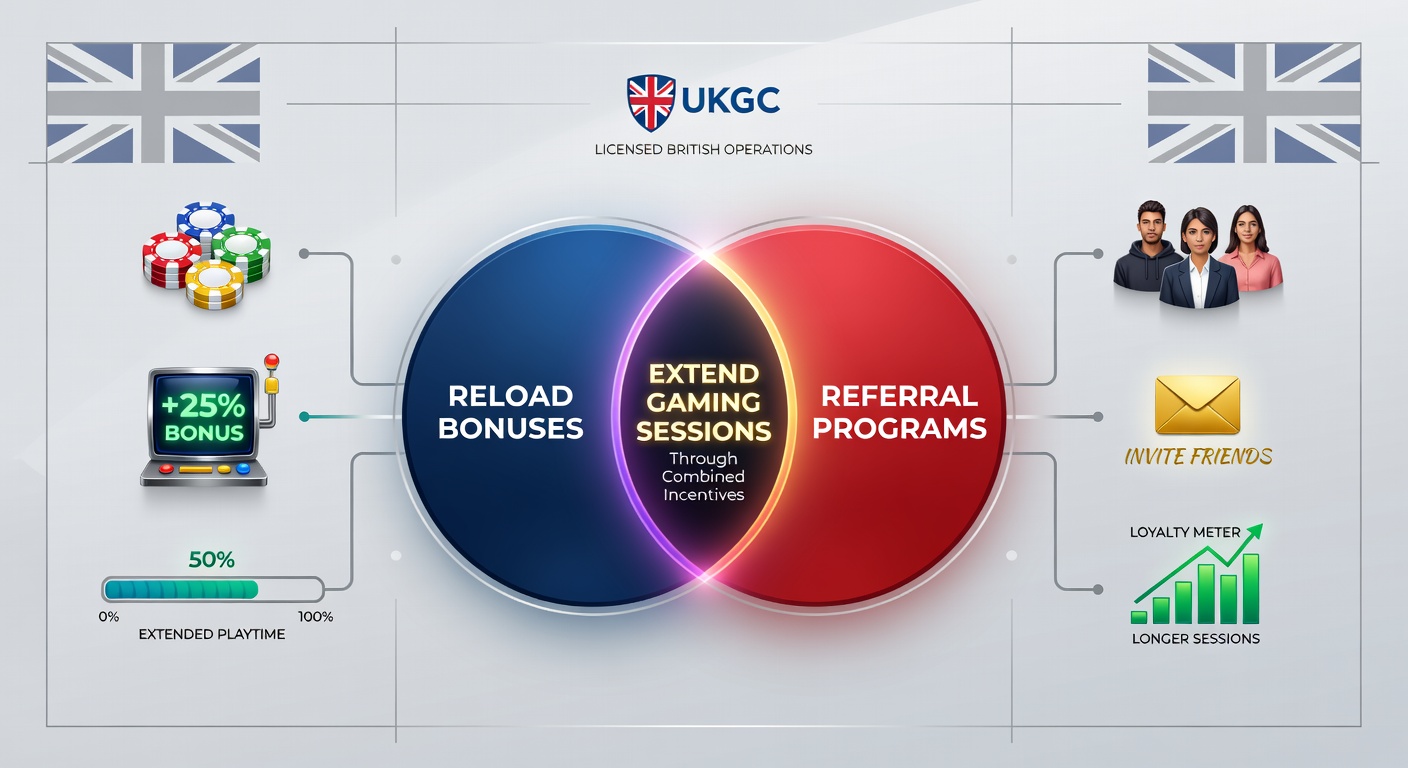
Operators across Britain's licensed sector structure reload bonuses as percentage-based returns on subsequent deposits, while referral programs reward both the referrer and the new user with credit or free bets once the invited player completes verification and initial activity. These two mechanisms create layered incentives that encourage longer play sequences because users who receive referral credits often return to deposit again in order to unlock the reload component, extending the overall session length beyond what either promotion achieves alone.
Mechanics of Reload Bonuses in Licensed Operations
Reload bonuses typically activate when an existing account holder adds funds after the initial welcome package expires, with operators setting minimum deposit thresholds that range from ten to fifty pounds depending on the site and game vertical. The bonus amount credits as a percentage match, often between fifty and one hundred percent, and carries wagering requirements that players must meet through repeated spins or bets before any winnings become withdrawable. Because these offers recur on a weekly or monthly cycle, account holders who maintain regular deposits encounter repeated opportunities to extend their time on the platform without needing to chase external promotions.
Referral Programs and Their Activation Pathways
Referral structures operate through unique codes or links that track new sign-ups back to the originating user, granting credit once the referred player verifies an account and places a qualifying bet or deposit. The referrer receives a fixed reward such as a twenty-pound free bet, while the new user may receive a matched deposit or no-deposit credit that functions similarly to an entry-level bonus. This dual-sided reward creates an immediate reason for the referred player to engage, and the referrer gains an incentive to monitor the new account's activity in order to claim the payout, which frequently leads both parties back into active sessions within the same week.
Intersection Points That Lengthen Play Windows
When a referred user redeems their welcome credit and then encounters a reload offer on their second or third deposit, the combined value encourages additional wagering cycles that stretch across multiple days rather than a single sitting. Operators track these overlaps through internal analytics that show average session duration rising by measurable margins when users activate both program types within a thirty-day window. The sequence usually begins with the referral trigger, moves into the reload deposit, and continues with further play as the user attempts to clear combined wagering terms before funds expire.
One documented pattern involves players who receive referral credit on day one, deposit again on day four to trigger a reload match, and then maintain daily logins to monitor bonus progress, resulting in cumulative time on site that exceeds the sum of isolated promotions. Data collected through May 2026 from several major licensed platforms indicates that accounts participating in both programs log an average of eighteen percent more active minutes per week compared with users engaged with only one incentive type.

Operational Tracking and Compliance Measures
Licensed operators employ account-level tagging systems that flag users who have both referred and been referred, allowing marketing teams to deliver targeted reload communications at the moment the initial referral credit balance drops below a set threshold. These automated prompts appear inside the account dashboard and via email, directing the user toward the next deposit window. Regulatory frameworks require clear separation between the two promotion types in terms of terms disclosure, yet the systems permit simultaneous activation provided each offer's conditions remain independently verifiable. Observers note that this separation keeps compliance intact while still permitting the practical overlap that lengthens engagement periods.
Patterns Observed Across Multiple Verticals
Sportsbook operators integrate referral credits into pre-match or in-play bet types, after which reload bonuses apply to subsequent deposits that fund continued live betting. Casino-focused sites route referral rewards toward slot or table game play, then apply reload matches to deposits that sustain longer reel-spinning sequences. In both cases the intersection produces extended sessions because the user must remain logged in to complete the wagering attached to each layer. Figures reveal that cross-vertical users who combine the two programs show the highest retention rates over a sixty-day measurement period.
According to research published by the University of Nevada, Las Vegas International Gaming Institute, similar layered bonus structures in other regulated markets produce parallel increases in average session length, confirming that the pattern is not unique to British operations. A separate analysis from the New Jersey Division of Gaming Enforcement quarterly summaries demonstrates that accounts receiving both referral and reload incentives generate higher handle per active day than single-program accounts.
Conclusion
The documented intersection of reload bonuses and referral programs within Britain's licensed sector creates measurable extensions in gaming sessions through sequential activation and combined wagering requirements. Operators maintain distinct compliance pathways for each promotion while allowing users to benefit from their overlap, resulting in sustained account activity tracked across weekly and monthly cycles. Data from multiple platforms through May 2026 continues to reflect these patterns without indicating deviation from established operational frameworks.