Cashback Frameworks in Top-Tier Bookmaking Operations for Retaining Engaged Players
Henrik Foster · Jul 2, 2026
Cashback Frameworks in Top-Tier Bookmaking Operations for Retaining Engaged Players
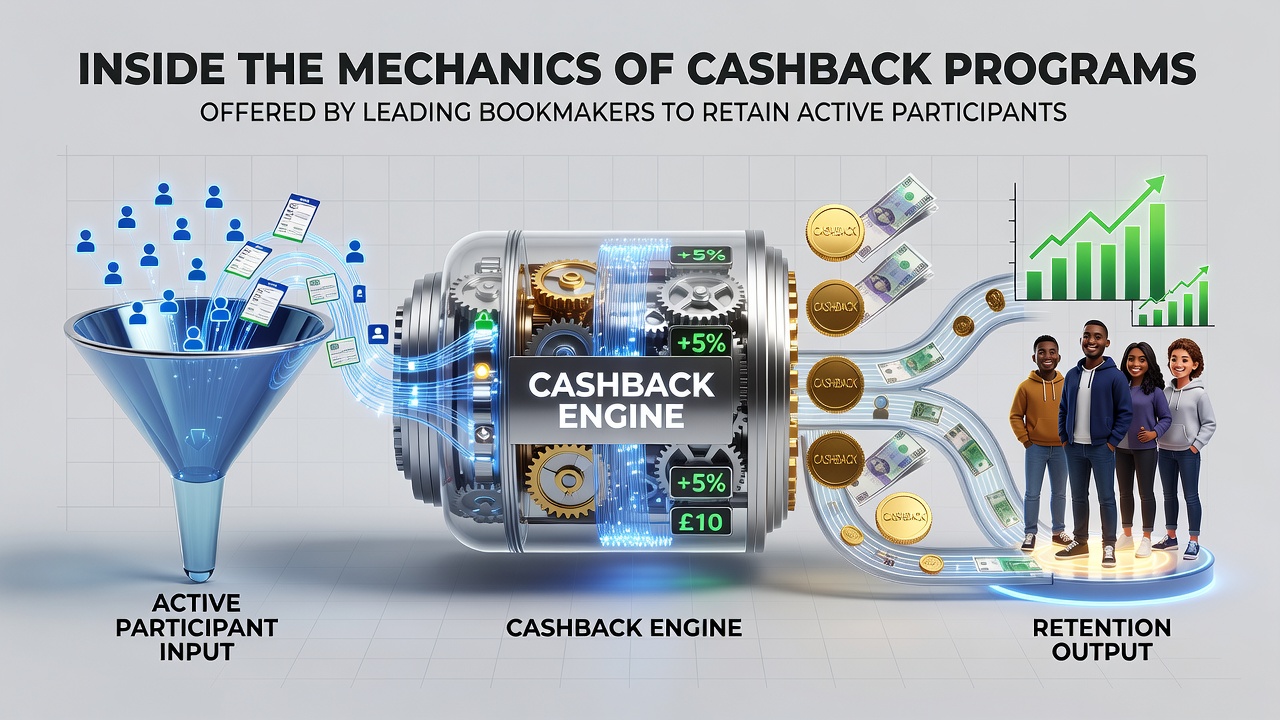
Cashback programs function as structured return mechanisms where bookmakers reimburse a fixed percentage of net losses incurred over defined periods, and these systems operate through automated tracking that logs every wager placed by qualifying accounts before applying rebate calculations at cycle end. Leading operators integrate these programs into broader loyalty architectures that monitor activity thresholds, ensuring participants receive credits either as withdrawable funds or restricted bonuses depending on the specific terms set by each platform.
Core Operational Components of Cashback Systems
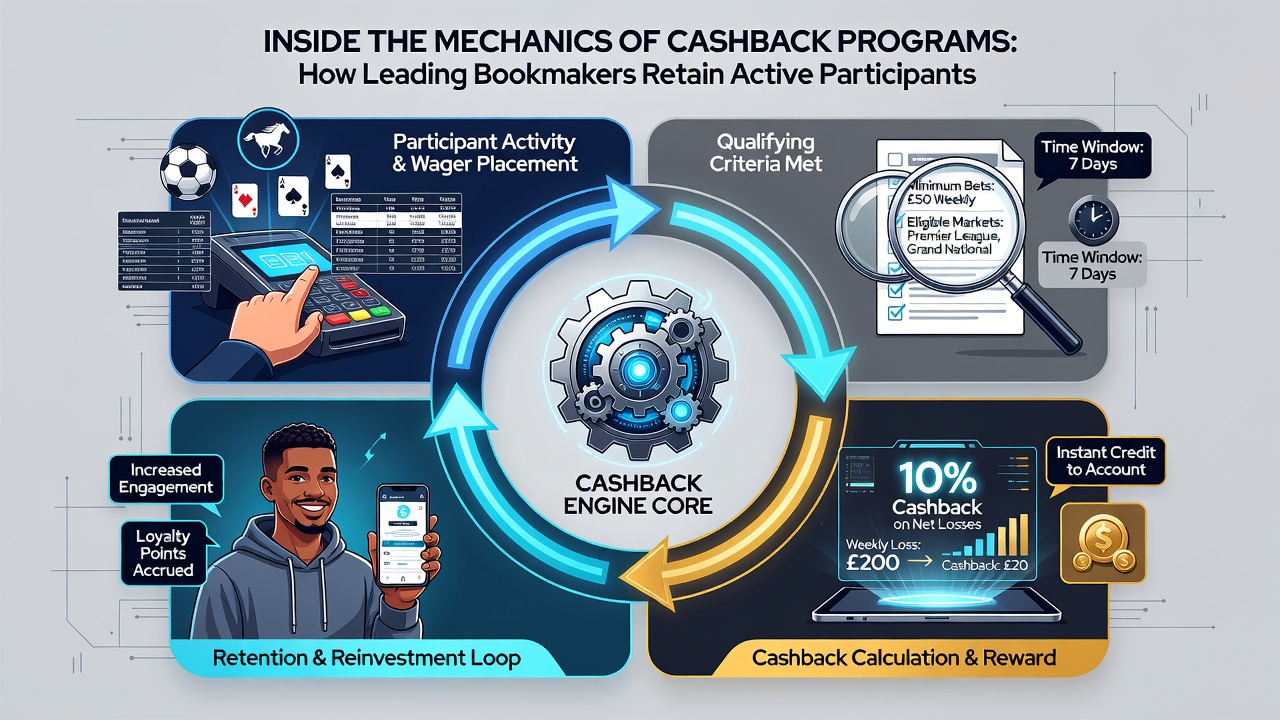
At the foundation lies a percentage-based formula applied exclusively to losses after wins receive offsetting treatment, which means a player depositing and wagering across multiple events sees only the negative balance factored into the rebate while positive results stand untouched; this distinction keeps the mechanic distinct from deposit matches or free bet offers. Systems pull data from centralized ledgers updated in real time, with algorithms sorting eligible stakes by sport category, minimum odds requirements, and exclusion lists for certain bet types such as those placed on in-play markets or accumulator bonuses that may carry separate rules.
Eligibility criteria further refine participation through tiered structures where higher activity volumes unlock elevated rebate rates, and observers note that many platforms enforce weekly or monthly settlement windows to align payouts with ongoing engagement cycles rather than one-off events. Those who've examined platform architectures find that integration with customer relationship management tools allows operators to adjust cashback parameters dynamically based on individual betting patterns, creating personalized retention loops that respond to frequency and stake size without manual intervention.
Retention Dynamics Through Structured Rebates
Bookmakers deploy cashback as a counterbalance to natural attrition patterns where participants might pause after sequences of unfavorable results, and the promise of partial recovery encourages continued wagering within the same ecosystem instead of migration to competitors. Data from industry reports indicates these programs correlate with extended session lengths because users factor potential rebates into their overall risk assessment, effectively lowering the perceived cost of each additional bet placed during the qualifying window.
Platforms often layer cashback atop other incentives such as loyalty points or milestone rewards, forming composite offers that compound value for active accounts, while those who study player behavior patterns report that transparent communication of rebate percentages and qualifying conditions strengthens perceived fairness and reduces churn. In July 2026 several major operators expanded their cashback matrices to include multi-sport bundles, allowing losses across football, tennis, and racing to aggregate toward a single payout threshold and thereby broadening appeal across diverse user segments.
Technical Implementation Across Major Operators
Leading firms utilize proprietary software that cross-references transaction histories with real-time odds feeds to validate qualifying losses, and these platforms apply caps on maximum weekly rebates to control liability while still delivering meaningful returns that scale with volume. Integration with banking partners enables near-instant credit issuance once cycles close, reducing friction that might otherwise prompt users to seek alternative venues offering faster perceived value delivery.
Regional variations appear in regulatory overlays, where certain jurisdictions require clear disclosure of cashback terms within promotional materials and mandate separation between rebate funds and promotional bonuses to protect consumer clarity. Analyses by the American Gaming Association highlight how such transparency measures support sustained participation rates across licensed markets, while reports from the Victorian Responsible Gambling Foundation document similar patterns in Australasian operations where cashback frameworks adapt to local responsible gambling codes.
Comparative Structures in Global Markets
European operators frequently tie cashback percentages to account verification status and deposit frequency, creating graduated incentives that reward consistent funding behavior alongside wagering volume. In contrast, North American platforms emphasize sports-specific cashback campaigns timed around major leagues, allowing losses from basketball or baseball markets to receive distinct rebate treatment that aligns with seasonal peaks in activity.
Those examining cross-border data observe that operators refine these programs through A/B testing of percentage rates and settlement frequencies, with results informing adjustments that balance retention gains against margin erosion. The reality is that successful implementations maintain strict separation between cashback credits and other bonus categories to prevent stacking that could inflate effective return rates beyond intended levels.
Conclusion
Cashback programs represent a sophisticated retention tool embedded within modern bookmaking infrastructure, relying on precise tracking, tiered eligibility, and automated settlement to deliver value that encourages continued platform usage. As markets evolve through 2026 and beyond, these frameworks continue adapting to regulatory environments and user preferences while maintaining core mechanics that link loss recovery directly to sustained participation metrics.