Britain's Wager Wave: Surging Trends and Headlines Reshaping the Betting Landscape
Rosa Foster · Mar 14, 2026

UK Gambling Revenues Reach £4.3 Billion in Q2 2025-26 as Remote Sectors Drive 6.6% Yearly Surge
The Latest Quarterly Snapshot from the UK Gambling Commission
The UK Gambling Commission dropped its freshest industry statistics covering July to September 2025, that's Quarter 2 of the financial year running April 2025 through March 2026; figures clock in at a Gross Gambling Yield of £4.3 billion across Great Britain, marking a solid 6.6% jump from the same period a year earlier, with remote gambling sectors like online casinos and lotteries fueling most of that upward momentum.
What's interesting here is how this growth unfolds against a backdrop of steady participation rates, as data pulls from combined operator returns alongside the Gambling Survey for Great Britain Wave 3—conducted between July and October 2025—shows adult gambling involvement holding firm at 48% over the prior four weeks, unchanged from previous measures.
Observers note this pattern underscores the sector's deepening digital shift, where online platforms capture more action even as the pool of active gamblers stays put; take one breakdown that spotlights remote casinos posting notable gains, alongside lotteries drawing steady remote plays, while the overall yield reflects operators' net wins after payouts.
Unpacking Gross Gambling Yield: The Key Metric at Play
Gross Gambling Yield, or GGY, stands as the core measure of industry health—essentially the total stakes minus winnings returned to players, giving a clear picture of revenue generated; for this quarter, that total hit £4.3 billion, up 6.6% year-on-year, which translates to an extra £265 million or so compared to Q2 2024-25.
But here's the thing: this isn't spread evenly, since remote sectors stole the show, with online casinos and lotteries leading the charge; data indicates remote gambling's GGY climbed significantly, pulling ahead as physical venues faced softer numbers in some spots, although exact breakdowns per sub-sector await deeper dives into the full report.
Experts who've tracked these trends over years point out how GGY growth like this often ties to tech upgrades and mobile access, where punters shift seamlessly from high street to screens; one study from prior quarters revealed similar patterns, with remote yields outpacing land-based by double digits in peak periods.
And while total GGY paints the big picture, it's the year-on-year lift that grabs attention, signaling resilience amid regulatory tweaks and economic pressures hovering into early 2026.
Remote Gambling's Dominant Role in the Numbers
Remote gambling—think online slots, casino games, virtual sports, and digital lotteries—emerged as the undisputed driver, with casinos and lotteries specifically called out for their contributions; figures reveal these areas pushed the overall 6.6% rise, as operators reported higher engagement through apps and websites tailored for quick sessions.
Turns out, this aligns with longer-term digitalisation, where broadband speeds and smartphone penetration (now over 90% among UK adults, per related surveys) enable round-the-clock access; people who've analyzed operator data often find remote GGY spiking during summer months like July-September, thanks to events blending sports and casual play.
Land-based segments, by contrast, showed more mixed results—some stability in bingo halls or tracks, but nothing matching the online surge; that's where the rubber meets the road for industry watchers, as remote now claims a larger slice of the £4.3 billion pie, reflecting how bets placed via internet or phone eclipse traditional venues.
Case in point: prior quarters saw remote casinos alone contributing hundreds of millions, and this Q2 build suggests that trajectory holds, even as stake limits on slots (introduced earlier) haven't derailed momentum elsewhere.
Gambling Participation Holds Steady at 48%
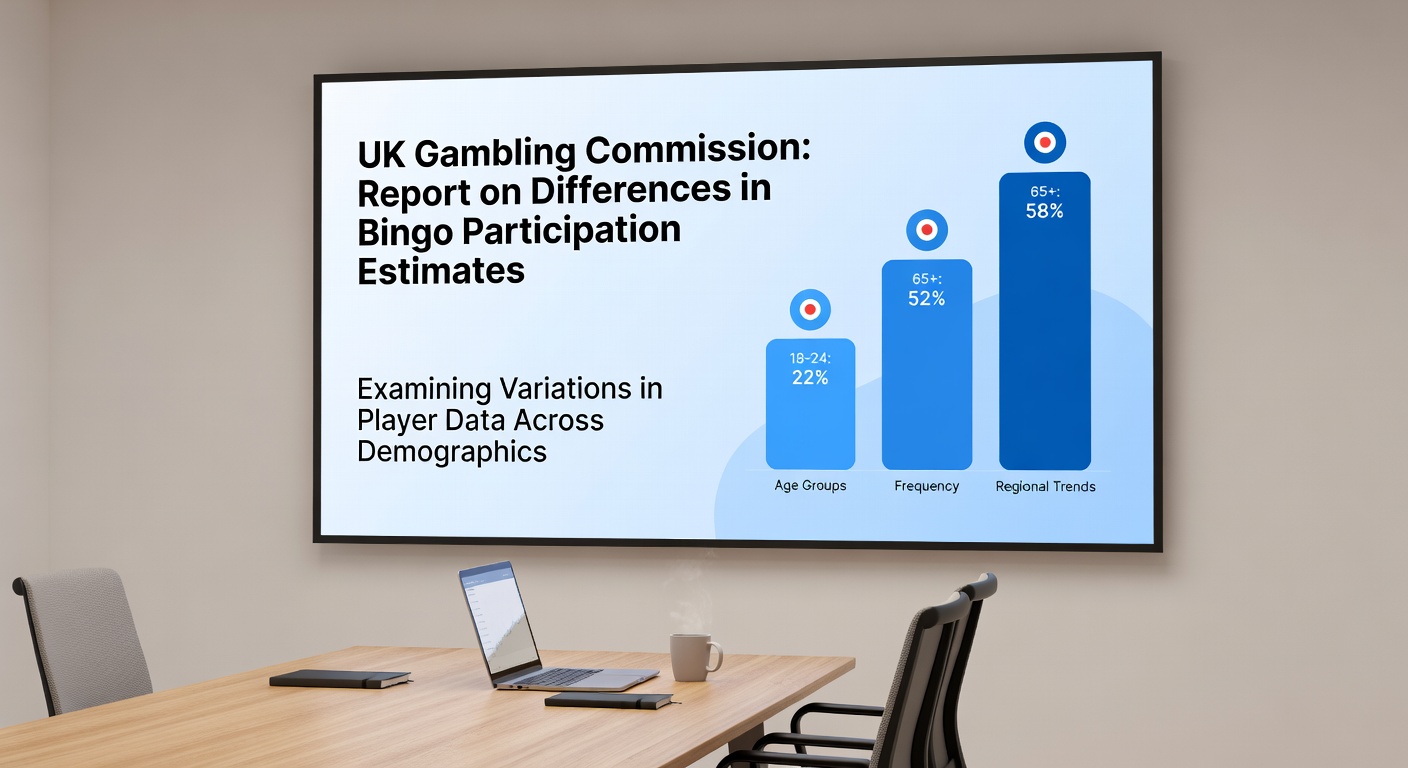
Amid the revenue uptick, adult participation rates barely budged, sticking at 48% for the four weeks before the survey window; this comes from blending operator-submitted data with insights from the Gambling Survey for Great Britain Wave 3, a robust poll running July through October 2025 that captures self-reported behaviors across demographics.
So, while GGY grew 6.6%, the user base didn't expand—meaning existing players ramped up activity or spent more per session, particularly online; researchers behind GSGB note how this stability masks nuances, like younger cohorts leaning digital or regionals varying from urban hotspots to quieter rural areas.
It's noteworthy that 48% equates to roughly 25 million adults dipping into gambling forms, from lotteries (most popular) to sports bets and casino spins; unchanged from prior waves, this figure suggests market saturation, where growth hinges on retention and higher yields per participant rather than fresh recruits.
Yet, the survey's methodology—random sampling, weighted for accuracy—lends credibility, cross-checked against operators' logs of active accounts and transactions.
Behind the Data: Operator Returns Meet National Surveys
These stats draw strength from dual streams: mandatory returns from licensed operators, covering every bet placed and payout issued, combined with the Gambling Survey for Great Britain; Wave 3 specifically targeted behaviors in late summer 2025, aligning perfectly with Q2's July-September frame for a timely read.
Data shows consistency across sources, as operator figures validate survey trends—no wild discrepancies that might flag underreporting; those who've pored over past releases know this triangulation boosts reliability, painting a fuller portrait than either alone.
Now, with the financial year marching toward March 2026, eyes turn to Q3 and Q4, where holidays and major events could nudge participation or yields further; early 2026 context adds layers, as February's report release (dated around the 27th) feeds straight into ongoing policy chats.
Digitalisation Trends Take Center Stage
This quarter's numbers spotlight digitalisation's grip, with remote sectors not just growing but dominating the 6.6% GGY lift; online casinos drew players seeking immersive tables and slots, while lotteries adapted with instant-win apps rivaling National Lottery draws.
What's significant is how stable 48% participation amplifies this—fewer newcomers, but deeper dives into remote options; examples abound from operator innovations, like live dealer streams or bingo hybrids that blend social chats with stakes.
Observers tracking the shift since pre-pandemic days see parallels: remote GGY overtook land-based years back, and Q2 2025-26 cements that lead; it's not rocket science, as better UX and promotions keep users logging in, even if total gamblers hold steady.
That said, the £4.3 billion total underscores scale—equivalent to venues processing billions in turnover, returning most as prizes, netting operators that healthy yield amid rising costs.
Year-on-Year Context and Forward Glances
Comparing to Q2 2024-25, the 6.6% rise builds on prior gains, though tempered by regs like affordability checks; remote's pull proves resilient, with casinos and lotteries shrugging off headwinds better than betting shops or arcades in spots.
And as March 2026 looms—the FY endpoint—stakeholders eye cumulative stats; Q2's performance sets a strong base, potentially pushing annual GGY past £17 billion if trends persist, per historical extrapolations from commission data.
People in the know highlight how summer lulls (fewer football leagues) still yielded growth, hinting at broader appeal; one case from Wave 3 surveys revealed consistent play across incomes, underscoring inclusivity in digital access.
Wrapping Up the Quarter's Key Takeaways
In sum, the UK Gambling Commission's Q2 2025-26 release delivers a clear signal: £4.3 billion GGY up 6.6% year-on-year, powered by remote casinos and lotteries