Britain's Betting Apps Roll Out Tiered Loyalty Systems That Alter Reward Distribution for Mobile Users
Rosa Foster · Jun 14, 2026
Britain's Betting Apps Roll Out Tiered Loyalty Systems That Alter Reward Distribution for Mobile Users
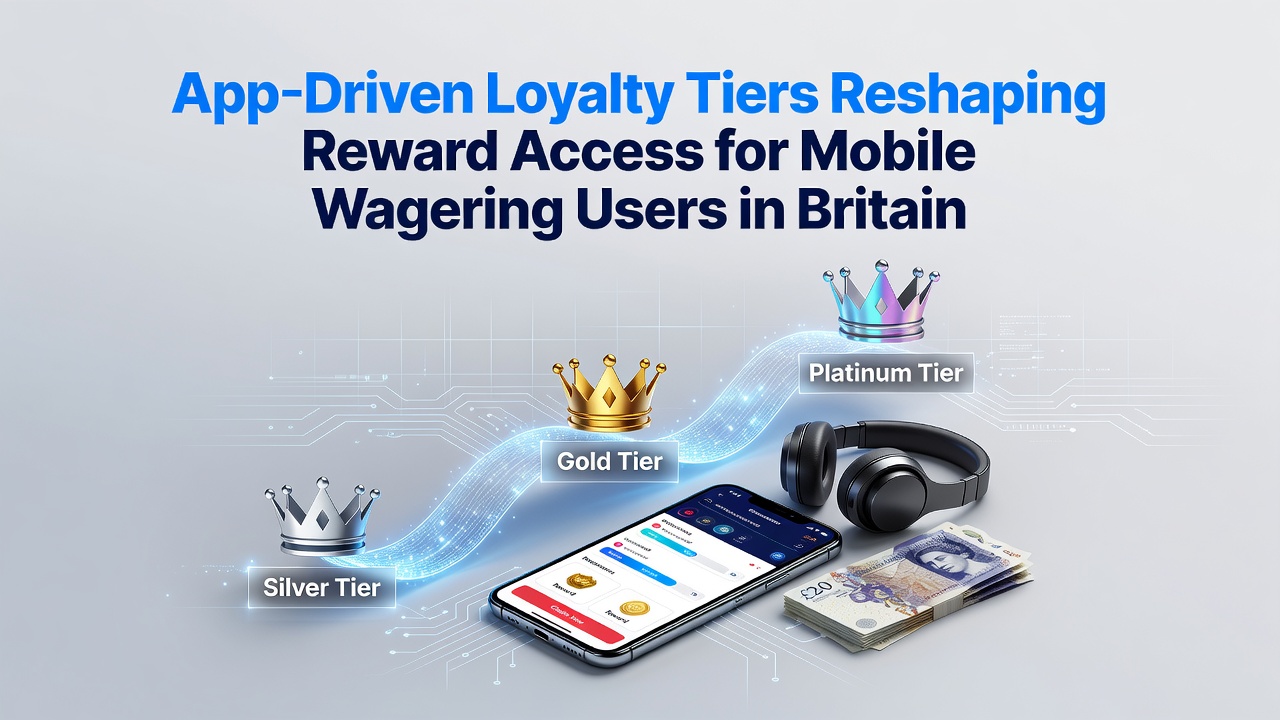
British bookmakers have integrated tiered loyalty structures directly into their mobile platforms, and this shift affects how users gain access to bonuses, cashback rates, and exclusive promotions. Platforms track activity through apps that record deposits, wagers, and session frequency, then assign users to bronze, silver, gold, or platinum categories based on those metrics. Higher tiers unlock faster withdrawal processing, elevated cashback percentages, and personalized offers that lower-tier users cannot reach through the same channels.
Operators rolled out these systems progressively through 2025 and into 2026, with several major apps completing full tier migrations by April of that year. Mobile users now receive push notifications that detail their current tier status alongside the activity thresholds required for advancement. The approach ties rewards more tightly to consistent app engagement rather than one-off promotions distributed across web and retail channels.
Mechanics Behind App-Based Tier Progression
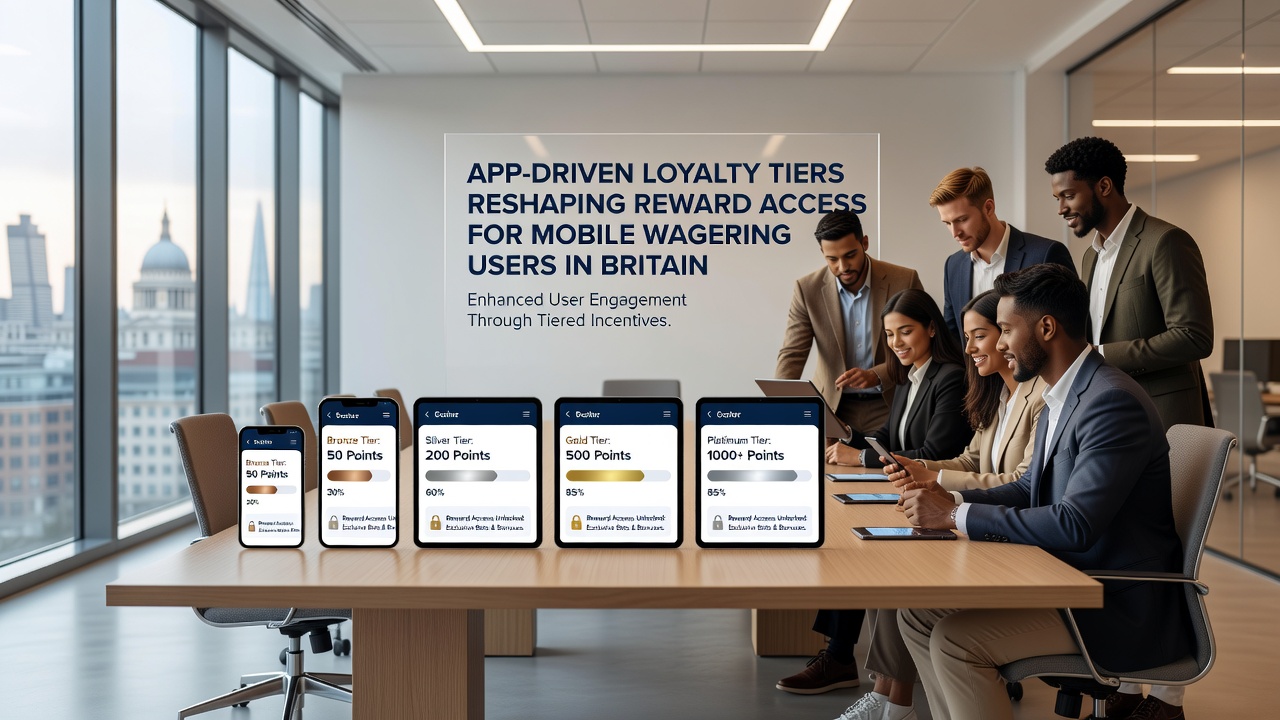
Each loyalty tier operates on a points system calculated from real-money stakes placed within the app, and points reset or carry over according to rules set by the individual operator. Silver tier users typically need to meet a monthly wager threshold that bronze users do not, while gold and platinum members gain access to dedicated account managers who provide tailored promotions unavailable at lower levels. These mechanics appear across multiple bookmakers, though exact point values and reset periods differ between apps.
Users advance tiers automatically once the algorithm records sufficient activity, and many apps display a progress bar within the account dashboard that shows distance to the next level. Some operators add time-limited accelerators during major sporting events, allowing temporary boosts that help users cross tier boundaries before standard deadlines. Observers note that this structure encourages repeated logins because missed activity windows can delay tier upgrades until the following cycle.
Changes in Reward Accessibility for Mobile Bettors
Rewards once distributed evenly across all registered accounts now concentrate within higher tiers, and mobile users report that free bet credits and enhanced odds appear more frequently after reaching silver or above. Lower-tier accounts still receive standard welcome offers, yet repeat promotions such as deposit matches or loss rebates scale upward only for gold and platinum members. This creates a visible gap in promotional value between casual app users and those who maintain higher activity levels.
Data from the Australian Gambling Research Centre shows similar tiered structures in other markets produced measurable shifts in user retention patterns, with higher-tier participants demonstrating longer average account lifespans. British apps adopted comparable frameworks while adjusting thresholds to local regulatory requirements around bonus advertising. The result is a reward landscape where mobile users must actively monitor their tier status to maximize available benefits.
Regional Patterns Observed Through Mid-2026
By June 2026 several apps had introduced cross-tier leaderboards that award additional prizes to top performers within each category, and these competitions run alongside standard tier benefits. Northern England and Scottish users show higher average tier progression rates compared with London-based accounts according to anonymized operator summaries shared with industry analysts. The difference correlates with regional preferences for certain sports markets that generate more consistent staking volume inside apps.
Operators also began testing tier-specific customer support queues, where platinum members reach live chat representatives within shorter wait times than bronze users. This operational change further differentiates the experience across tiers without altering the underlying reward formulas. Industry reports indicate that the tier model reduces the volume of generic promotional emails sent to all users because higher-value offers now target only those who qualify through tier status.
Integration With Existing Regulatory Frameworks
App-driven loyalty tiers must comply with rules set by bodies outside the UK, including standards from the European Gaming and Betting Association that address transparency in bonus terms. Operators publish tier requirements in accessible sections of their apps so users can review advancement criteria without contacting support. A report published by the National Council on Problem Gambling in the United States examined similar structures and found that clear disclosure of tier rules correlates with lower rates of user complaints about unexpected changes in promotional access.
British apps therefore display tier conditions in plain language alongside any associated wagering requirements, and updates to these rules trigger in-app notifications that users must acknowledge before continuing. This approach aligns with broader efforts to maintain consistent standards across mobile and desktop interfaces even as loyalty mechanics evolve.
Conclusion
App-driven loyalty tiers continue to influence how British mobile wagering users encounter and claim rewards, with progression systems now embedded in daily app interactions. Activity tracking determines access levels, and operators adjust thresholds periodically based on overall platform data. Users who monitor their tier status and adjust staking patterns accordingly gain exposure to benefits that remain unavailable at lower levels. The structure shows no sign of reversal as of June 2026, and further refinements appear likely as operators gather additional usage metrics across different user segments.